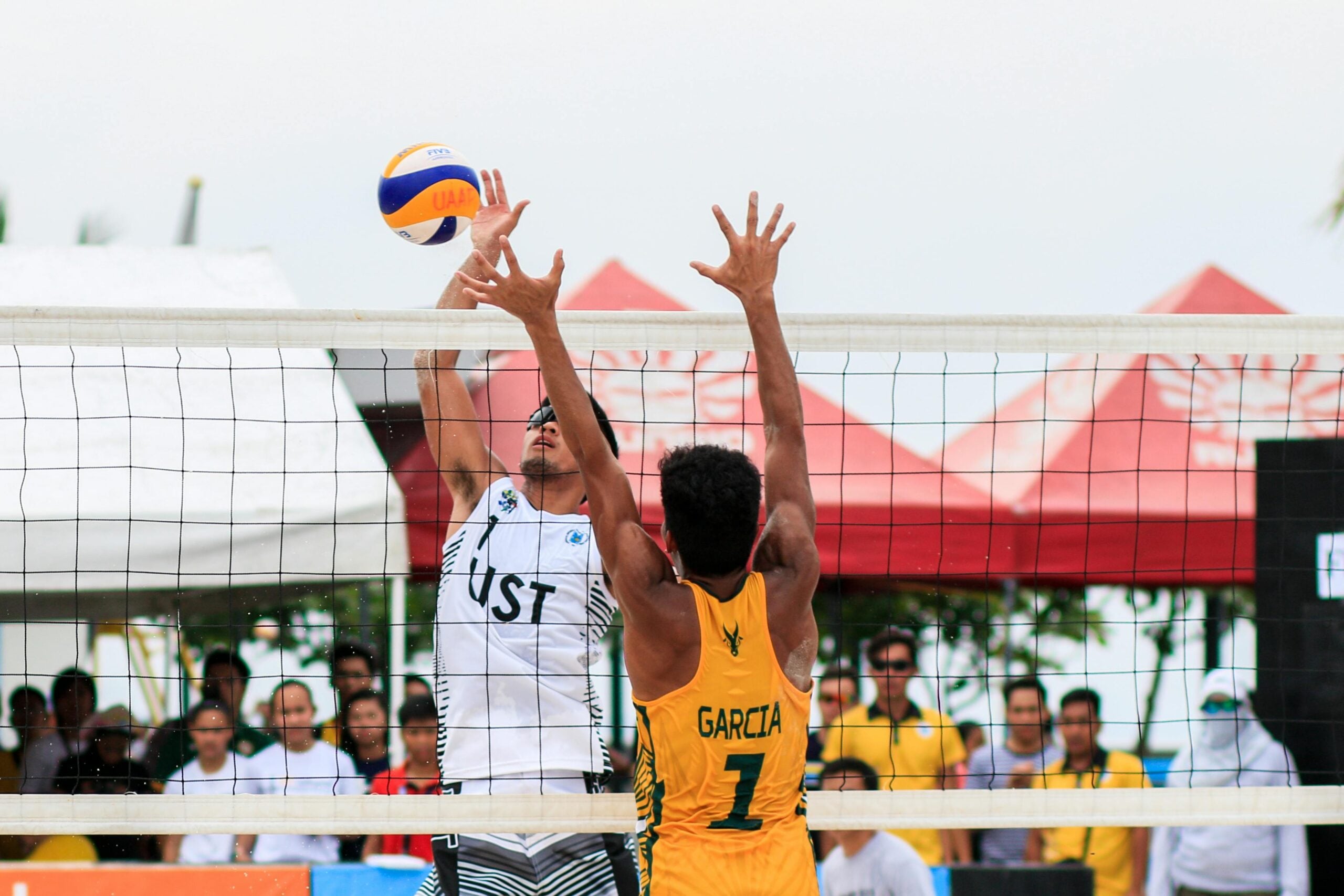

There’s a certain thrill when you walk out your back door and see a shiny new sports court. Whether it’s basketball, pickleball, a combo for tennis and soccer, or just a space to shoot hoops with the kids, an outdoor court ups your home’s fun factor in a huge way. But here’s the thing—they’re a bit more than “just paint a couple lines and call it a day.” It’s part design, part planning, and a whole smidge of troubleshooting. If you’re seriously thinking about adding a court to your property, here are the real-life tips that’ll help you dodge headaches and get right to the good stuff.
Think About Your Space (And Pick Your Game)
First up, what do you want out there, really? A regulation-sized basketball court is a beast—most backyards can’t handle that. But a half-court, or even something smaller for multi-sport use (hello, family badminton championships), is realistic in a lot of average yards. Walk around your property and try marking off areas with chalk or string. You’d be surprised—spaces look bigger (or smaller) than you’d expect once you start measuring.
Picture where the sun hits, how far you are from neighbors, and whether that stray ball’s going to end up in the next yard. You don’t want to end up chasing a basketball through someone’s rose bushes every weekend (guilty, right here).
Surface Matters—Don’t Cheap Out Here
You’re going to want something sturdy under those sneakers. Asphalt, concrete, or modular sports tiles are the usual players. For something permanent, concrete is the old favorite. But sports tiles? They’re easier on the knees, dry fast if it rains, and come in all sorts of colors. Asphalt works, but it can crack more easily over time. Just remember: whatever you pick, put in the time (and sometimes money) for a solid base and proper drainage, or you’ll end up battling puddles and uneven bounces.
Don’t Forget Lighting—Late Game, Anyone?
Let’s talk lights. An evening match isn’t much fun if you can’t see the ball after sunset, is it? Outdoor lighting makes a court way more usable, especially in seasons when the days run short. This is the perfect spot to call in professional lighting installation services. They can set up sturdy, weatherproof fixtures aimed right at the action, usually on poles high enough not to blind anyone. DIY lights are fine for patios, but proper sports court lighting is whole other ballgame (pun intended)—think safety, reliability, and saving your neighbors from blinding glare.
Have a Game Plan for Extras
Fence or no fence? Nets? Do you want a rebound wall, or will simple markings do? Fencing helps you skip the never-ending “fetch game” with your ball, plus keeps the action contained on family game night. If you’re the type who loves gadgets, look for hoop systems with adjustable heights for kids and adults, or courts with permanent lines for multiple sports.
And about the finishing touches—don’t forget a little spot to stash balls and gear, maybe even a bench for timeout moments. It only gets chaotic if you don’t plan for the clutter.
Call a Pro If You Need To
Here’s the truth: some projects really do go smoother with a contractor, especially if you’re not big on concrete or leveling ground. Good pros will help you size the court to your property, make sure drainage’s set, and will sometimes even handle lights and fencing. And before you break ground, double-check with your city on zoning or HOA rules, just in case.
Bottom line: it’s all about getting from “Wouldn’t it be cool if…” to actually seeing your family (and let’s be honest—yourself) out there, playing, laughing, and wearing down those new sneakers one jump shot at a time. Lace up, game on!