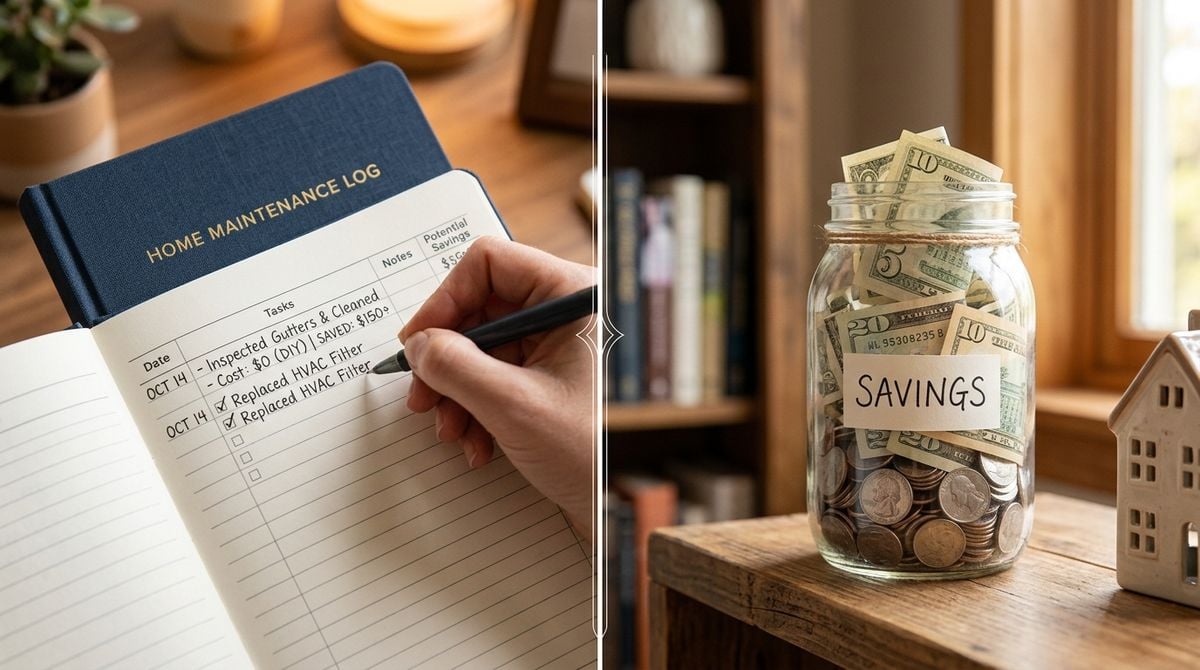

Technology users often have accounts spread across phones, laptops and several apps. Money can drift between them without a clear picture of where it goes each month. A simple expense log offers a starting point that is easy to maintain. Over time, the log can grow into a steady money plan that supports bills, savings goals and occasional purchases. This article explains the stages in plain terms, focusing on habits that a busy household can sustain. It is general information only and does not offer investment, legal or tax advice. Many people find that a clear picture of spending also reduces worry about money in general. Clarity is useful whether income is steady or changes from one month to the next.
Starting With a Basic Expense Log
Begin with a single list that records every expense for two weeks. Include the amount, the category and a short description, such as groceries or a phone plan. A plain notes app or a basic table works well for this purpose. The goal is awareness rather than perfection, so do not worry about missing a small purchase now and then. Readers may also want to visit Dailipay.net. Use the same format each time so that patterns become easy to spot in later weeks. Keep the notes in the same app each time so the history stays in one place.
Choosing Categories That Match Real Life
Good categories reflect how the household actually spends. Keep the list short, with groups such as housing, food, transport, subscriptions and personal spending. Add a new category only when a repeated expense does not fit anywhere else. You can also visit quickstartmoneysite.com for more reading. A small number of well chosen categories gives a clearer picture than a long list of narrow ones. Categories should reflect actual habits, not an ideal budget that was never likely to work.
Reviewing Subscriptions and Recurring Charges
Recurring charges are easy to forget. Scan the log for software, streaming and storage fees that renew automatically, and compare each one with how often the service is actually used. Canceling an unused service is often the fastest way to free up cash each month. Keep a short note of renewal timing in your calendar so you can decide before the next charge arrives. For a related read on this site, see Moving a Pet Sitter Booking Calendar From Paper. Reviewing recurring charges once a quarter keeps surprises to a minimum. Cancel anything that has not been used for several weeks, then decide about the rest.
Setting Aside Money for Irregular Bills
Some bills arrive once a year or only now and then, which can catch a household off guard. Estimate the yearly total for these items, divide it by twelve and set that amount aside each month in a separate savings space. This approach turns surprises into planned payments. Label the account clearly so the money is not spent on everyday items. Over time the habit reduces stress around large expenses and makes the annual bills feel like ordinary months. Naming each savings space by its purpose makes the money easier to leave alone until the bill arrives. Keep the savings space separate from the everyday account so the money stays where it was placed.
Building a Small Savings Cushion
A cushion of savings helps absorb unexpected costs without relying on borrowing. Begin with a modest goal, such as a few weeks of essential spending, and add to it each month. Automate transfers where possible so the saving happens before the money is spent on anything else. Keep the cushion in an account that is separate from daily spending so it is not raided by accident. Progress may be slow at first, but steady additions build real security over the long run. Even small transfers, made consistently, can build momentum that feels encouraging. Set a fixed amount that feels comfortable, and increase it only when the plan feels steady.
Keeping the Plan Simple Over Time
A money plan should evolve gradually. Once a month, review the log, compare totals with the plan and note what surprised you. Adjust categories, shift amounts and update goals as life changes. Avoid complicated tools that demand more time than the household can spare, since a plan that is hard to maintain quickly gets abandoned. A simple plan that is consistently reviewed beats an elaborate system that is dropped after a few weeks. A short monthly conversation with a partner or housemate keeps everyone aligned on the goals. Writing down one win and one lesson from the month keeps the conversation useful.
A Log That Becomes a Dependable Plan
A basic expense log can grow into a steady money plan with a few careful steps. Clear categories, a regular review of recurring charges, set asides for irregular bills and a modest cushion create stability over time. Keeping the system simple ensures it lasts through busy seasons. Clarity about where money goes is the real foundation for every decision that follows. A dependable plan is one that people can explain to each other in a few minutes. Simple habits compound over time, much like a well tended savings account.