
When a 5-ton excavator tracks through a swamp, climbing a 30-degree incline while carrying a bucket full of wet clay, the stress on the drivetrain is immense. The tracks are screaming for traction, the hydraulic fluid is pressurized to thousands of PSI, and the entire weight of the machine is resting on two small gearboxes located at the rear of the tracks.
These gearboxes are the final drives. To the operator, they are just heavy metal cylinders that make the machine move. But inside that casing is a marvel of modern engineering.
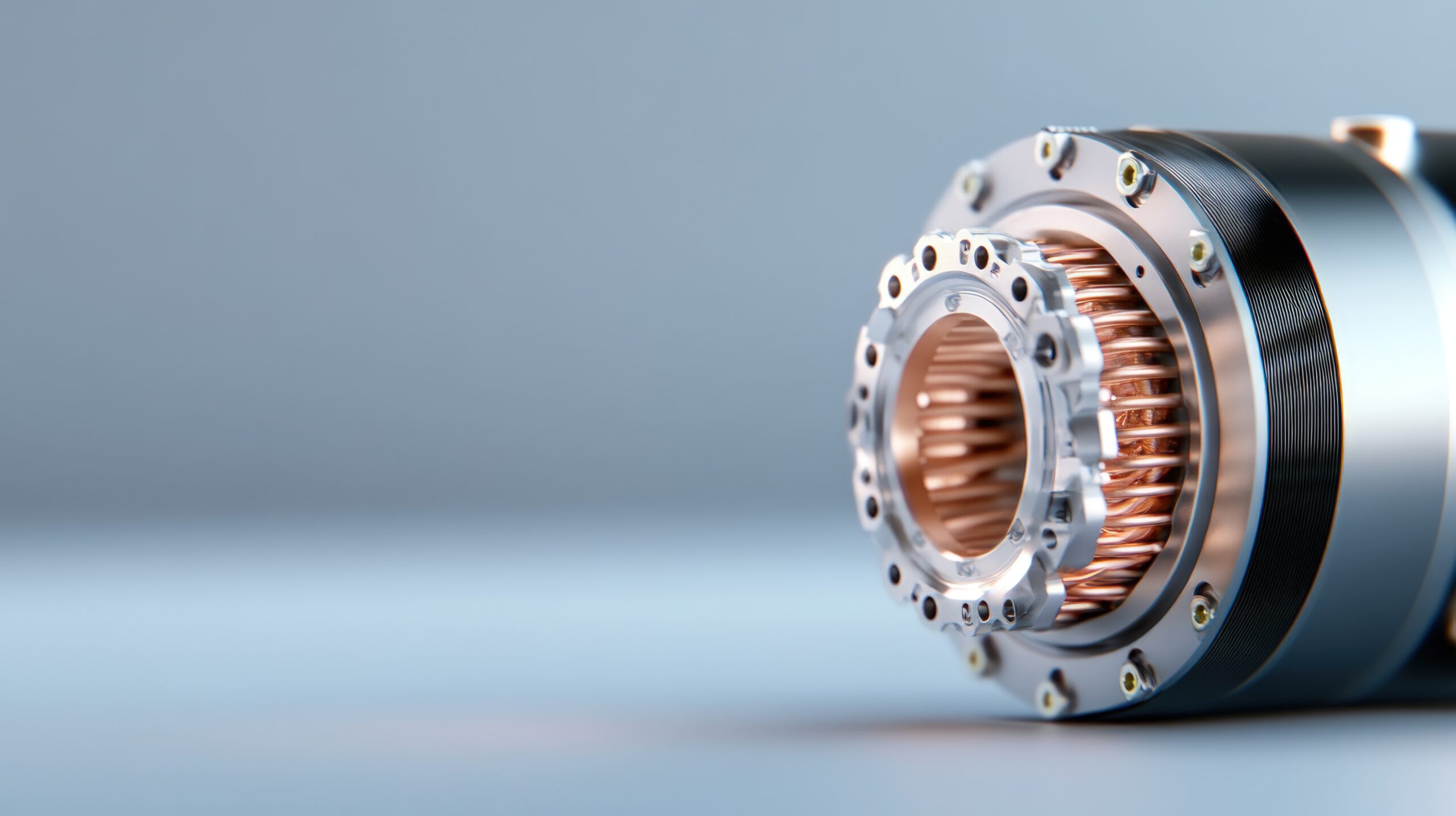
Building a component that can withstand thousands of hours of grinding, high-torque abuse without shattering isn’t about pouring molten iron into a mold and hoping for the best. It requires a level of manufacturing precision that rivals the aerospace industry. Whether it is an OEM unit or one of the high-quality aftermarket final drive motors available today, the production process is a showcase of advanced technology.
From the digital simulation of stress loads to the microscopic hardening of gear teeth, here is how technology ensures these motors don’t just crack under pressure.
1. Finite Element Analysis
Long before a block of steel is ever placed in a lathe, the final drive exists as a ghost in a machine. Engineers use computer-aided design (CAD) to build a 3D model of the motor, but the real magic happens with finite element analysis (FEA).
FEA software allows engineers to simulate the worst possible conditions a motor could face. They can virtually apply thousands of foot-pounds of torque to the planetary gears to see exactly where the stress accumulates. They can simulate the thermal expansion that happens when a motor runs hot for eight hours straight. This “digital twin” technology highlights weak points before a single prototype is built. If the software shows that the sun gear will fracture under a 20% overload, the engineers can thicken the gear web or change the alloy composition on the screen. By the time physical manufacturing begins, the design has already survived a virtual war zone.
2. Metallurgy and the Chemistry of Strength
A final drive motor is only as strong as the metal it is made from. You cannot use standard mild steel for a planetary gear set; it would strip the teeth in an hour. Modern production relies on advanced spectroscopy and metallurgical labs to create specific steel alloys.
Manufacturers use optical emission spectrometers to verify the chemical composition of the raw steel bars. They are looking for the perfect balance of carbon, chromium, and molybdenum.
- Carbon gives the steel its hardness.
- Chromium adds resistance to corrosion and wear.
- Molybdenum increases the metal’s strength at high temperatures.
This isn’t a guessing game. If the alloy is off by a fraction of a percentage, the batch is rejected. This chemical precision ensures that every gear has the structural integrity to handle the immense hydraulic pressure the excavator pump delivers.
3. 5-Axis CNC Machining
Inside a final drive, a central “sun” gear spins three or more “planet” gears, which in turn rotate inside a “ring” gear. For this system to work, the teeth must mesh perfectly. If there is too much space (backlash), the gears will slam into each other and break. If there is too little space, they will bind and overheat.
The tolerance here is measured in microns—fractions of a human hair. To achieve this, manufacturers use 5-axis computer numerical control (CNC) machines. Unlike older manual lathes that required a human to turn handles, a 5-axis machine moves the cutting tool and the part simultaneously across five different angles. This allows for complex geometries to be cut in a single setup, reducing human error. The machine monitors its own cutting tips. If a drill bit wears down by a thousandth of an inch, the computer detects the change in resistance and automatically adjusts the tool path to compensate, ensuring the 1,000th part is identical to the first.
4. Induction Hardening and Carburizing
Here is the paradox of gear manufacturing: You want the outside of the gear to be incredibly hard so it doesn’t wear down, but you want the inside (the core) to be slightly softer and tougher so it can absorb shock without snapping like glass. If the whole gear were hard, it would be brittle. If the whole gear were soft, it would deform.
Technology solves this with automated heat treatment processes like carburizing. The gears are placed in a furnace filled with carbon-rich gas and heated to extreme temperatures. The carbon diffuses into the surface of the steel, creating a hard case. Then, robotic arms move the red-hot parts into quenching oil to cool them instantly. Advanced induction hardening machines use electromagnetic coils to heat specific areas—like just the tips of the gear teeth—in seconds, leaving the rest of the metal unaffected. This creates a composite metal part that is diamond-hard on the surface but shock-absorbent at the core.
5. Automated Assembly and Clean Room Standards
Hydraulic systems are allergic to dust. A single metal shaving or a grain of sand inside the motor can scour the brass valve plate or destroy the piston seals, leading to a loss of power. Modern assembly lines function more like laboratories than mechanic shops. Robotic arms are often used to place the heavy hubs and housings, reducing the risk of dropping or nicking the machined surfaces.
More importantly, computer-controlled torque wrenches are used for every bolt. When a human tightens a bolt, there is variation. When a computer does it, it applies the exact specified Newton-meters of force and records the data. If a bolt is under-torqued, the assembly line stops. This ensures that the motor casing won’t leak when the pressure spikes during a heavy dig.
6. The End-of-Line Pressure Test
The final piece of technology is the test bench. Before a motor is crated and shipped, it is hooked up to a hydraulic test stand that mimics the hydraulic flow of an excavator. Sensors monitor the flow rate, the pressure, and the RPMs. They check for internal bypassing (leaks inside the motor) and external weeping.
Some manufacturers even use acoustic sensors to “listen” to the motor spinning. They analyze the vibration frequencies to detect if a bearing is seated improperly or if a gear tooth has a microscopic imperfection. If the motor doesn’t sound right to the computer, it doesn’t leave the factory.
The Production of Final Drive Motors
The final drive motor is a testament to how far industrial manufacturing has come. It is a product born from digital simulation, sculpted by robotic precision, and hardened by chemical engineering. When a construction crew relies on a machine to start every morning and work in the mud all day, they aren’t just relying on a brand name. They are relying on the invisible, high-tech processes that turned a raw block of steel into an unstoppable force.


![GreenSprout Interview: Dealing with Inflation: How to Protect Your Finances [2023]](https://lincolnlabs.com/wp-content/uploads/2023/05/greensprout-logo-300x168.jpg)