
Running an independent specialty food venture requires balancing culinary creativity with strict operational discipline. Whether producing small-batch hot sauces, packaging artisanal baked goods, or operating a boutique pantry counter, food producers face challenges that generic retail software rarely addresses. Ingredients arrive with distinct shelf lives, recipes demand strict consistency, and customer preferences shift across regional food cultures.
Modern digital tools allow culinary entrepreneurs to manage these complex workflows without drowning in manual paperwork. By replacing handwritten production sheets and disconnected spreadsheets with dedicated business applications, owners can streamline daily tasks, safeguard product quality, and focus on crafting outstanding food.
Real-Time Inventory and Batch Tracking Software
In the specialty food sector, inventory control involves far more than counting packaged items on a storeroom shelf. Food makers must track raw ingredients, record production lot numbers, and document expiration dates to meet distribution standards. Traditional stock applications often overlook these requirements, leading to spoiled perishables or untraceable goods.
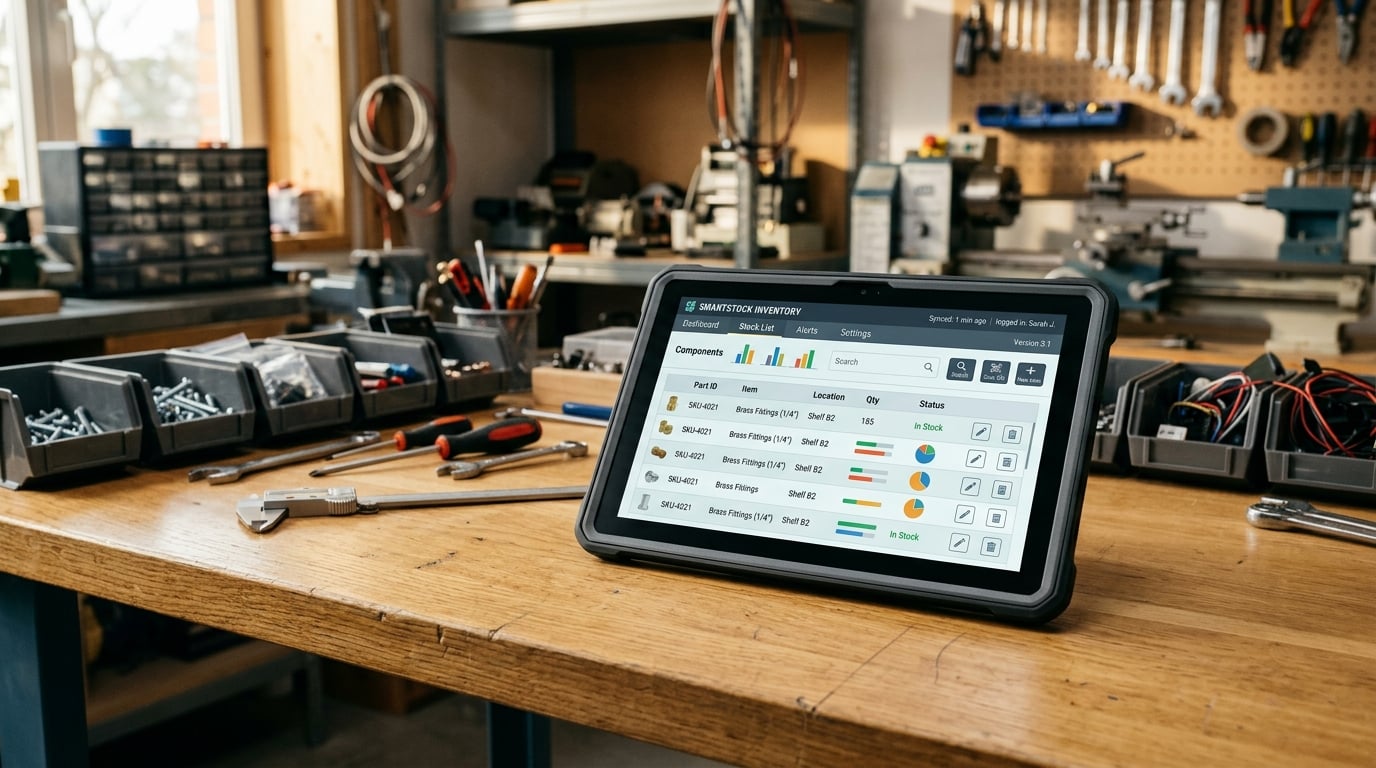
Dedicated batch-tracking platforms connect directly to digital kitchen scales and barcode scanners, logging incoming raw materials as soon as shipments arrive. When a production run begins, the software records every component used, linking bulk ingredient lots directly to the final retail packages. This end-to-end traceability ensures that if an ingredient falls below quality standards, managers can locate affected units across storage shelves and distributor orders in minutes.
Additionally, cloud-connected inventory programs automatically deduct raw materials from digital ledgers as items are bottled or packaged. Kitchen managers can set automated reorder alerts that notify staff when key spices, oils, or custom containers run low. This proactive tracking prevents unexpected production delays and reduces unnecessary over-purchasing of delicate ingredients.
Sourcing Platforms and Digital Vendor Management
Sourcing premium ingredients remains a primary differentiator for boutique culinary brands. Small food businesses often rely on a network of regional farms, specialty importers, and dry-goods distributors to keep their recipes authentic. Managing dozens of separate vendor accounts through phone calls and paper invoices quickly leads to missed delivery windows and inventory gaps.
Modern procurement portals centralize vendor communications, purchase orders, and digital catalogs within a single dashboard. When sourcing unique seasonings, regional sauces, or specialized international staples, business owners frequently explore dedicated online hubs such as farmhousefoodsco.com to research diverse culinary items and connect with specialty wholesale networks. Consolidating product inquiries and reorders through verified digital platforms allows procurement teams to verify product origins and maintain consistent ingredient quality across seasons.
Centralized purchasing tools also maintain organized records of vendor contracts, shipping manifests, and delivery receipts. These digital paper trails provide vital clarity whenever shipping delays compromise perishables or delivered items fail to match purchase specifications. For business owners seeking structured approaches to protect commercial relationships and settle delivery disagreements, reviewing our guide on managing small business legal disputes offers practical guidance on preserving documentation and resolving commercial conflicts.
Market Intelligence and Culinary Trend Monitoring
Consumer eating habits shift continuously, shaped by regional taste profiles, novel beverage concepts, and emerging dining discussions. Small brands that fail to monitor these broader industry movements risk investing time and capital into flavor profiles that shoppers have already moved past. Modern web platforms make it easy to follow industry shifts without hiring expensive market research consultants.
Curating custom content feeds and reading industry-focused publications helps operators observe broader consumer shifts before they alter retail shelves. By following dedicated coverage on sites like foody-goody.com, food business leaders can study global beverage developments, emerging flavor pairings, and shifting consumer eating habits. Combining trade news monitoring with social listening tools enables producers to spot rising demand for specific ingredients, such as botanical drink bases or ancient grain snacks, well ahead of larger competitors.
Digital trend tracking also informs product development schedules. When recipe creators observe growing consumer curiosity around specific fermentation styles or regional condiments, they can plan test batches months before wholesale buyers begin requesting them. This data-informed approach transforms culinary guesswork into a structured development roadmap.
Point of Sale Systems for Omnichannel Distribution
Most boutique food ventures sell their creations across multiple touchpoints, including weekend farmers markets, seasonal pop-up stands, local independent grocers, and direct-to-consumer websites. Operating disconnected transaction systems across these channels creates chaotic inventory discrepancies and frustrates customers who encounter out-of-stock items online.
Unified point-of-sale software bridges the gap between in-person transactions and digital storefronts. When a customer purchases a jar of preserves at an outdoor market booth, the transaction instantly updates the inventory count visible to online shoppers browsing the brand’s e-commerce shop. This synchronization eliminates accidental double-selling and keeps order fulfillment schedules accurate.
When evaluating point-of-sale hardware and mobile checkout equipment for culinary businesses, operators should look for several core capabilities:
- Offline payment processing to maintain sales during network outages at outdoor markets.
- Integrated digital receipt delivery via email or text to build direct customer communication lists.
- Compact, battery-operated card readers that pair reliably with tablets or handheld smartphones.
- Barcode scanning compatibility for rapid checkout during high-volume festival events.
Modern checkout terminals also capture useful purchasing patterns, such as peak shopping hours and popular product combinations. Store managers can use these insights to schedule retail staff efficiently and assemble enticing product bundles that encourage higher order values.
Automated Safety Logging and Practical Adoption
Maintaining regulatory compliance and strict food safety standards is non-negotiable for food businesses. Commercial kitchens and storage spaces must continually monitor walk-in freezers, proofing cabinets, and cooking lines to avoid spoilage and meet public health codes. Relying on staff members to record temperatures by hand on clipboards often leads to skipped checks and unrecorded equipment failures.
Wireless sensor networks offer a dependable alternative to manual clipboard logs. Compact sensors installed inside refrigerators, dry pantries, and delivery vans continuously measure ambient temperature and humidity. These devices transmit readings to a secure cloud platform, generating continuous digital temperature logs that inspectors can review with ease.
Crucially, these automated systems trigger immediate phone or email notifications the moment an appliance drifts outside its safe operational range. If a walk-in cooler door is left open overnight or a refrigeration compressor loses power, staff receive instant warnings, allowing them to rescue sensitive inventory before spoilage occurs.
Transitioning a food enterprise to digital management tools does not require replacing every system at once. Begin by addressing your greatest operational bottleneck, whether that means securing ingredient tracking or installing automated temperature sensors.
Taking the time to train team members thoroughly on each new platform ensures long-term adoption and smooth daily execution. By selecting accessible digital tools that communicate cleanly with one another, specialty food creators can protect their operating margins, ensure consistent product excellence, and build a resilient foundation for long-term culinary growth.

