The arrival of Nvidia’s RTX 50-series mobile GPUs in early 2025 hasn’t just added another chapter to the evolution of laptop hardware; it’s rewritten how gamers and performance users perceive mobile computing power. With models ranging from the RTX 5050 to the powerhouse RTX 5090, these chips are now at the center of a changing market that’s seeing both consumer expectations and brand strategies shift at a rapid pace.
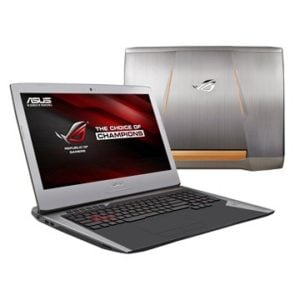
Sales data from multiple electronics retail platforms reflect a noticeable spike in interest surrounding high-end laptops equipped with the new RTX 5080 and 5090 GPUs. These aren’t entry-level machines. We’re talking about top-tier models like the Asus ROG Strix Scar 18, MSI Raider 18 HX AI, and Razer Blade 16 devices that were already positioned at the upper edge of the market, which is now much stronger because of these new GPUs.
The industry is quietly watching something significant unfold: a broad acceptance of high-performance laptops as primary gaming machines, not just alternatives to desktops. Performance benchmarks have become the new headline grabbers. Consumers are increasingly tuned into real-time frame rate numbers, thermal throttling stats, and rendering speeds, seeking out detailed comparisons before making purchasing decisions.
What’s particularly noteworthy is how GPU efficiency is being viewed in 2025. DLSS 4 (Deep Learning Super Sampling) has become more than a buzzword; it’s a tangible differentiator that users actively evaluate before choosing between RTX 5080 and 5090 setups. High-definition gameplay at 200+ FPS, once reserved for bulky desktops, is now being demoed in sleek, portable chassis, marking a psychological shift in user preferences.
From a digital marketing point of view, the story has changed to fit the new situation. Instead of showy, surface-level ads, there are now more in-depth, technical stories. Creators and influencers are less interested in unpacking and more interested in playing live games, which gives people a better idea of what these devices can do in real life. Users don’t just want to hear about performance; they want to see it, compare it, and know how it changes their gaming experience.
Brands riding this wave are also refining how they present launch news. Rather than overwhelming audiences with specs, the focus is shifting toward community-led demos, interactive content like GPU comparison guides, and layered insights through long-form video breakdowns. This change in tone reflects a more mature and informed consumer base, one that’s less impressed by branding and more convinced by performance.
Many companies are using press release distribution networks that focus on tech media as they move towards more strategic messaging. It’s not enough to only be visible; you also have to be credible. Companies may get detailed updates regarding product launches, supply chain milestones, and even firmware upgrades that have a direct impact on game performance by partnering with skilled press release services.
“The landscape has clearly evolved; enthusiasts now value proof over promise,” said a product strategy lead at a global PC brand. “This generation of mobile GPUs doesn’t just raise the bar for laptops; it resets the definition of what portable gaming can actually mean.”
The ripple effect is reaching beyond gaming. Content makers, engineers, 3D artists, and AI developers are also paying attention. RTX 50-series machines can handle large, complex workloads without being tied to a workstation. Portability is no longer a trade-off; it’s a plus.
Looking ahead, this trend seems poised to stick. As user behavior shifts further toward performance-first mobility, we may well see a gradual redefinition of the gaming PC market itself, with laptops no longer playing catch-up, but instead leading the innovation curve. The RTX 50-series isn’t just a hardware update; it’s a directional signal for the future of immersive computing.