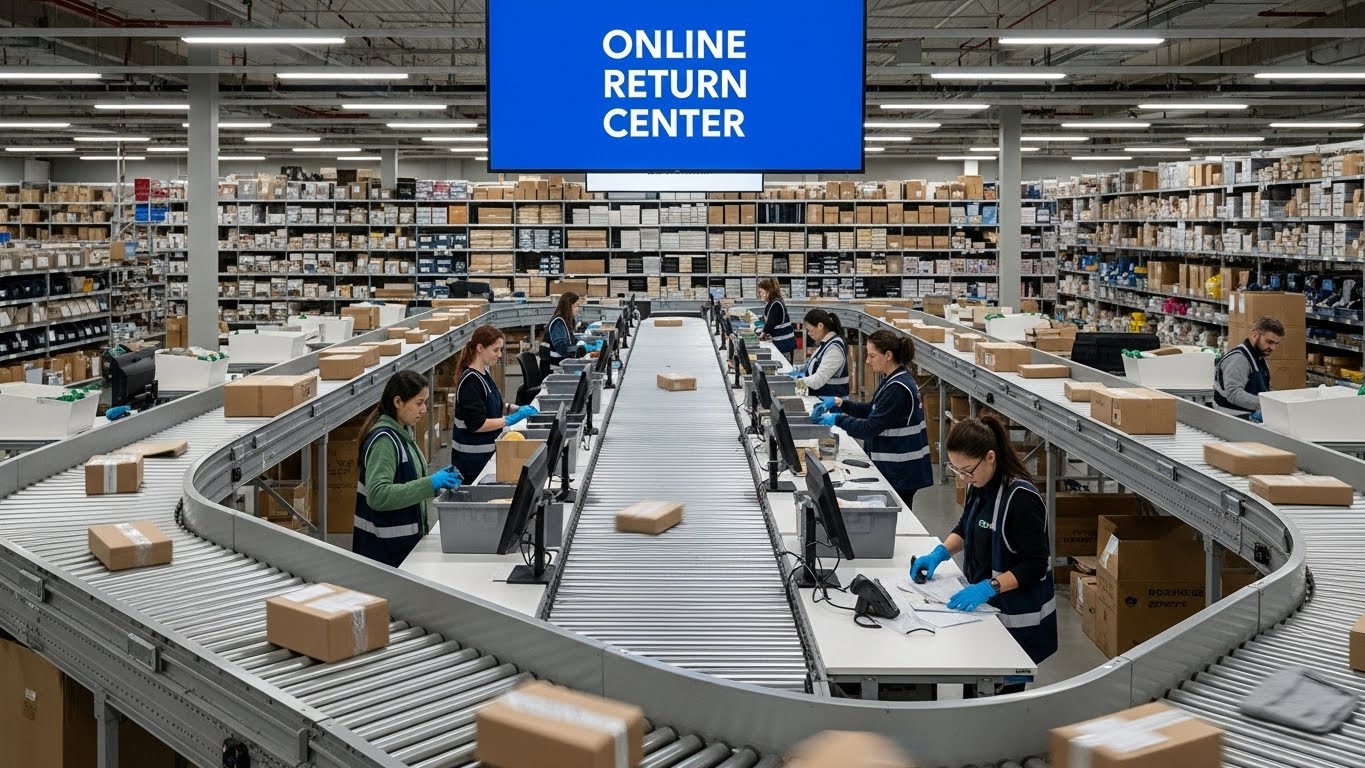

In today’s fast-paced e-commerce landscape, providing a seamless return process is essential for maintaining customer satisfaction and loyalty. The traditional challenges of managing returns, including paperwork, manual tracking, and delayed processing, can create inefficiencies and frustrate both businesses and customers. An online return center leverages modern technology to streamline these processes, reduce operational costs, and improve the overall experience for consumers. Understanding how technology enhances the efficiency of an online return center is key for businesses looking to remain competitive in a digital marketplace.
Automating Return Requests and Tracking
One of the primary ways technology improves an online return center is through automation. Customers can initiate return requests directly through a website or mobile application, eliminating the need for phone calls, emails, or in-person visits. Automation allows the system to validate return eligibility, generate return labels, and provide step-by-step instructions to customers, making the process intuitive and straightforward.
For businesses, automated return workflows reduce the administrative burden on customer service teams. Requests are logged, tracked, and updated in real time, ensuring transparency and minimizing errors. Automated notifications keep customers informed about the status of their return, from approval to shipping and final processing. This visibility enhances the customer experience while allowing staff to focus on more complex tasks that require human intervention. By incorporating automation, an online return center operates more efficiently, handles larger volumes of returns, and maintains a higher level of accuracy.
Technology also enables seamless integration with inventory and order management systems. Once a return is processed, the system can update stock levels automatically, ensuring accurate inventory records and reducing the risk of overselling. This integration is particularly valuable for e-commerce businesses managing multiple sales channels, as it ensures consistency across platforms and improves operational efficiency.
Data Analytics for Process Optimization
An online return center benefits significantly from the use of data analytics. Technology allows businesses to track patterns in returns, identify frequent reasons for product returns, and uncover operational bottlenecks. By analyzing this information, companies can make data-driven decisions that enhance efficiency and reduce future return rates.
For example, if a specific product experiences a high number of returns due to sizing issues or defects, businesses can adjust product descriptions, improve quality control, or modify packaging. Analytics also help optimize staffing levels, forecast return volumes, and improve warehouse operations. By identifying trends and predicting customer behavior, technology enables an online return center to operate more proactively rather than reactively.
Furthermore, predictive analytics can assist in automating decision-making within the return process. Advanced systems can determine whether a return should be refunded, replaced, or repaired based on historical data and predefined rules. This reduces processing time and ensures consistent treatment of customers, enhancing both efficiency and satisfaction. Using data in this way allows businesses to continuously refine their return strategies, creating a smarter, more efficient online return center.
Enhancing Communication and Customer Engagement
Communication is a critical component of any return process. Technology enhances the efficiency of an online return center by facilitating timely, accurate, and personalized communication with customers. Automated emails, SMS notifications, and chatbots can provide updates, answer common questions, and guide customers through the return process without requiring constant human oversight.
Chatbots and AI-powered virtual assistants offer real-time support, addressing inquiries about return eligibility, shipping instructions, and refund timelines. These tools reduce the volume of calls and emails handled by customer service teams, freeing them to focus on more complex issues. The result is faster response times, reduced operational strain, and an improved overall customer experience.
Additionally, technology allows businesses to gather feedback during the return process. Online surveys or post-return forms help companies understand customer experiences, identify pain points, and implement improvements. By keeping customers informed and engaged, an online return center fosters trust and loyalty while operating more efficiently behind the scenes.
Integrating Advanced Logistics and Tracking Systems
Another key technological advancement enhancing the efficiency of an online return center is the integration of advanced logistics and tracking systems. Shipping carriers, warehouse management systems, and return processing platforms can be connected to ensure smooth handling of returned items. Real-time tracking allows both businesses and customers to monitor the movement of returned products, minimizing uncertainty and delays.
Automated routing and sorting within warehouses ensure that items are quickly inspected, restocked, or prepared for resale. By optimizing the flow of returned goods, businesses reduce processing time, lower labor costs, and maintain better inventory control. Technology also enables intelligent decision-making regarding product disposition, determining whether items should be refurbished, recycled, or restocked based on condition and demand.
For e-commerce businesses with high return volumes, these logistical integrations are essential. They allow the online return center to scale effectively, handle seasonal spikes, and maintain efficiency without compromising accuracy or customer satisfaction. The use of technology in logistics ensures that returns are processed quickly, minimizing financial impact and improving overall operational performance.
Leveraging AI and Machine Learning
Artificial intelligence and machine learning are increasingly being utilized to enhance the efficiency of an online return center. These technologies can analyze vast amounts of data to predict return behavior, optimize workflows, and recommend solutions for common return challenges.
AI-powered systems can automatically categorize returned items, detect anomalies, and flag potential fraudulent returns. Machine learning algorithms continuously improve the system’s performance by learning from past returns and operational patterns. This reduces manual intervention, speeds up processing, and ensures that resources are allocated efficiently.
Furthermore, AI can provide personalized recommendations to customers, suggesting exchanges or alternative products based on previous purchases and return history. This not only improves the customer experience but also helps reduce future return rates by guiding buyers toward more suitable products. By leveraging AI and machine learning, an online return center becomes smarter, faster, and more efficient over time.
Technology also supports predictive maintenance and resource planning within the return center. By forecasting demand and identifying peak return periods, businesses can allocate staff, optimize warehouse space, and ensure that equipment and systems are prepared to handle volume efficiently. This proactive approach reduces bottlenecks and ensures smooth operations.
An online return center that effectively integrates automation, analytics, communication tools, advanced logistics, and AI provides a seamless, efficient, and customer-friendly return experience. Technology enables faster processing, improved accuracy, and better insights into return patterns, benefiting both businesses and consumers. By embracing these solutions, companies can reduce operational costs, increase customer satisfaction, and maintain a competitive edge in the e-commerce landscape.
Ultimately, technology transforms the way businesses manage returns, shifting the process from a potential bottleneck to a strategic advantage. An online return center powered by modern solutions not only handles returns efficiently but also provides valuable insights that inform product development, inventory management, and customer service strategies. Companies that leverage technology in their return processes can achieve significant improvements in operational efficiency, customer loyalty, and long-term profitability.