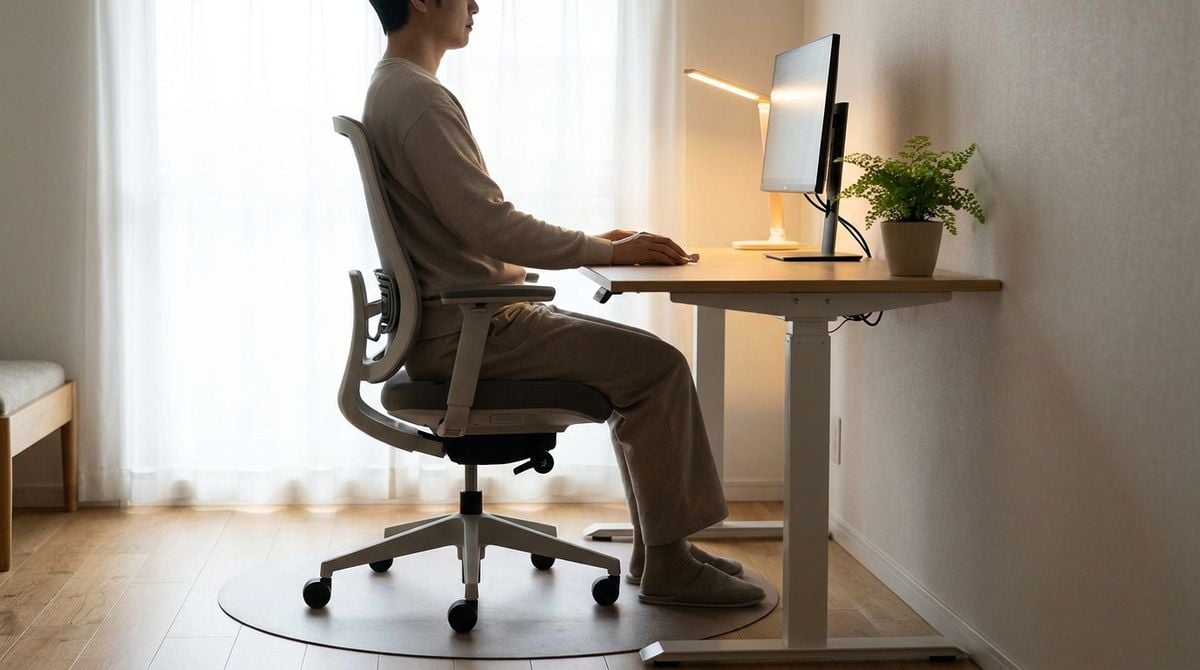

Running an active online portal from a personal desk demands a different hardware approach than standard office computing. When your daily routine involves tracking real-time news developments, staging web templates, and handling continuous media uploads, a cluttered desktop environment quickly causes mental friction. Choosing the right physical gear and arranging displays with intention transforms a chaotic computer workspace into a reliable command center.
A balanced desk setup prevents fatigue and keeps your software tools accessible without requiring constant window switching. Rather than chasing every novelty accessory, the goal is to assemble dependable hardware that supports sustained focus throughout busy publishing cycles.
Separating Live Intake from Deep Editing Displays
The foundation of any high-volume publishing desk is a thoughtful multi-monitor layout. Trying to balance live news feeds, active content drafts, and communication channels across a single monitor leads to frequent misclicks and lost drafts. Dividing your physical screens into dedicated functional zones brings immediate clarity to daily operations.
A primary horizontal monitor should remain reserved exclusively for production tasks such as drafting text, editing images, and configuring site backends. Placing this display directly at eye level encourages good posture and keeps your primary focus centered. A secondary screen, mounted vertically or positioned slightly to one side, provides the ideal viewing area for reference streams and incoming coverage.
Dedicated secondary screens or split browser windows work particularly well for tracking breaking events, photo desks, and fast-updating feeds from outlets such as kavkazweb.net without disturbing active drafting windows. With incoming stories running quietly in your peripheral vision, you can monitor global developments and headline changes while your main screen stays focused on your publication layout.
Balancing System Resources Across Heavy Browser Workspaces
Digital editorial desks frequently buckle under the weight of open browser windows. Modern publishing platforms, image processing utilities, and multimedia asset libraries place steady demands on computer processing power and system memory. Keeping your hardware responsive requires strict separation between different operational profiles.
Creating separate browser profiles for daily administrative tasks, live reference tracking, and site management prevents cookie conflicts and reduces background processing strain. Grouping your tabs by task and closing unused sessions keeps your computer responsive during rapid publication deadlines. Hardware accessories such as programmable macropads or customizable mouse buttons can switch between these profiles with a single keystroke.
Collaborative digital operations often rely on shared media suites, cloud storage tiers, and asset libraries across several team members or household partners. When multiple people contribute to shared sites from home workspaces, establishing clear expectations around tool access helps prevent surprise account lockouts or overlapping costs. Our earlier guide on splitting shared tech subscriptions among roommates offers useful strategies for managing multi-user digital accounts smoothly without personal friction.
Designing Robust Workflows for Layout and Search Demands
A functional publishing station must also accommodate routine site maintenance, template testing, and search visibility tasks. Verifying how pages render across different viewport sizes requires a combination of desktop simulation and physical hardware testing. Keeping a dedicated mobile device or tablet on a small desktop stand allows you to confirm touch interactions and layout stability in real time.
Building and maintaining a steady digital presence requires reliable technical architecture behind the scenes. When structuring layout, code, and search visibility for an online venture, having sound technical design and development support from resources like Web Aspiration ensures the site remains fast and responsive across mobile and desktop displays. Aligning your local testing habits with strong underlying web development practices saves countless hours of troubleshooting later.
Routine technical audits should be built directly into your weekly editorial calendar. Checking link integrity, reviewing image compression parameters, and inspecting mobile navigation elements on physical testing devices prevents layout errors from accumulating across older published archives.
Physical Desk Ergonomics for Extended Publishing Shifts
Long stretches at a publishing desk can take a heavy toll on wrists, neck, and eyes if your physical workspace lacks proper alignment. Investing in an adjustable monitor arm clears valuable surface area beneath your screens, providing room for reference notebooks, audio gear, or hardware control decks. Matte display coatings and neutral bias lighting behind your displays help reduce glare during evening publishing shifts.
Cable clutter is another hidden source of frustration that undermines desk functionality. A clean under-desk wire tray combined with magnetic cable anchors ensures power supplies and peripheral connectors remain accessible when you need to swap devices quickly.
- Anchor display power cords and display cables along monitor arms using hook-and-loop straps.
- Place an accessible desktop power hub near your work surface for temporary test devices.
- Mount external hard drives and backup enclosures beneath the desk surface to eliminate clutter.
- Keep audio cables isolated from high-draw power bricks to prevent electrical interference.
Input peripherals also deserve careful consideration. A mechanical keyboard with tactile switches reduces finger strain during extended writing sessions, while an ergonomic mouse or trackball minimizes repetitive forearm strain. Position your primary input devices so your elbows rest naturally at right angles to your desk surface.
Establishing Predictable Maintenance and Backup Habits
Even the most carefully planned desk setup requires disciplined maintenance habits to stay dependable. Dust accumulation inside desktop towers and laptop cooling vents restricts airflow, causing cooling fans to spin louder and processors to throttle during heavy media rendering tasks. Setting a recurring monthly reminder to blow clear compressed air through ventilation ports keeps internal components running smoothly.
Data safety forms the final pillar of a resilient home publishing workstation. Relying solely on cloud storage leaves your archives vulnerable to internet outages or accidental deletions. A dedicated local storage drive connected to your desk hub should automatically mirror your active editorial libraries, draft graphics, and configuration templates at the end of each day.
Maintaining a professional publishing station does not require filling every square inch of your office with complicated gear. By pairing an intentional multi-screen layout with solid system management habits and clean cable routing, you create an environment that supports calm, efficient editorial work.
When every display has a distinct purpose and your hardware runs reliably in the background, keeping pace with the digital landscape becomes a sustainable daily routine. Choose the devices that serve your daily editorial workflow, keep your surface organized, and let your technology support your voice with confidence.