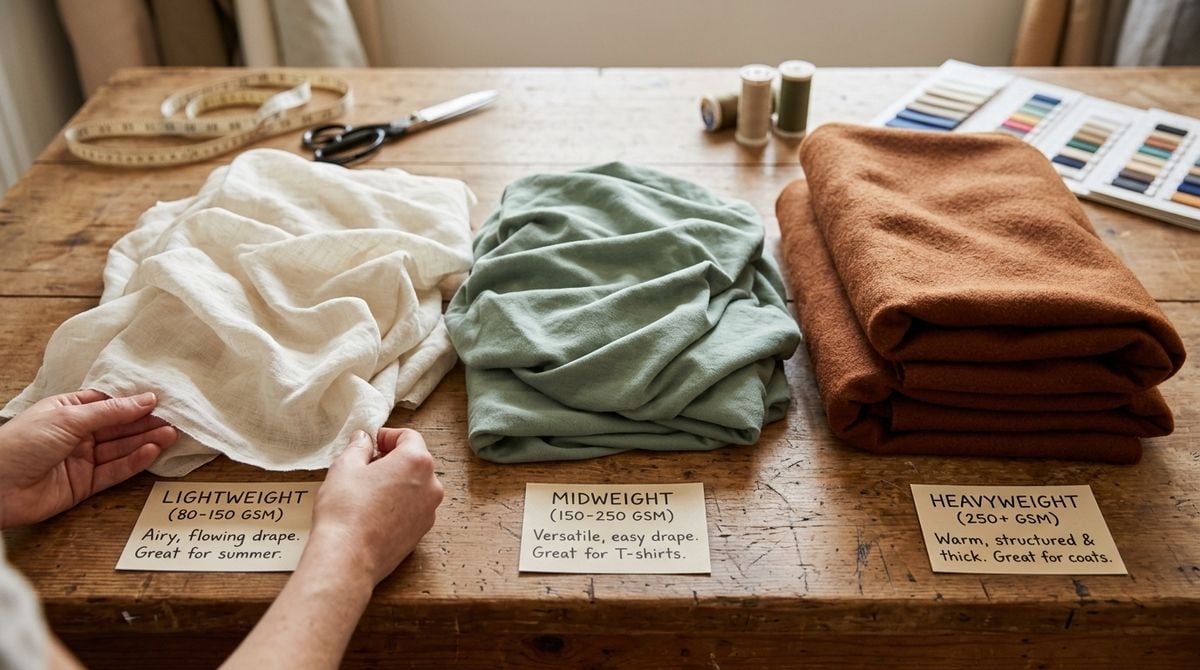

Smart clothing has added a new layer to the old question of how to care for a garment. A jacket may have a heating panel, a shirt may carry a sensor, and a pair of trousers may include a small pocket for a battery. Those features change the care routine in ways a plain label does not explain. A digital swatch note keeps the fabric, the electronics and the cleaning steps together in one place.
The notes help in two directions. They guide the owner when a garment needs washing or repair, and they give a tailor or cleaner clear information before any work begins. A short entry per garment is usually enough. The habit pays off most when a favorite item starts to behave differently after a few months of use.
Logging Fabric Swatches and Labels
Start each entry with a small photograph of the fabric and a clear shot of the care label. Write the fiber content as printed, the color name and the purchase source in one short line. Keep the description neutral, since the aim is to identify the garment rather than praise or criticize it. Clear photos make the notes useful long after the receipt has been lost. A single photo of the label beside the swatch is often more reliable than any written description.
Readers may also want to visit PlantWare. Save the key facts into your own entry rather than relying on memory. A few lines copied from the label will prevent guesswork on washing day. Note any symbol you do not understand and look it up before the first wash.
Tracking Care Steps for Each Garment
Write down each wash, dry clean, spot treatment and repair as its own line. Include the temperature, the drying method and any product used. Note what you did when a stain did not come out, since that detail helps the next person choose a better approach. A detailed history makes the garment easier to maintain. Keep the entries for a few weeks after purchase, since early wear often shows the most useful patterns.
You can also visit Designwithdeb.com for more reading. Record each removal and reinsertion in the entry, along with any check of the seams afterward. That simple habit protects both the clothing and the components. Check the seams after each reinsertion to make sure nothing has loosened.
Recording Charging and Battery Habits
Smart garments often rely on batteries or charging pads, and those parts need their own notes. Record how often the item is charged, how long it lasts and whether any warm spot or unusual smell appeared during use. Stop using the item and seek a qualified repair if anything seems unsafe. Notes help you spot a gradual change long before it becomes a serious problem.
For a related read on this site, see Photographing and Labeling Seed Packets So the Records. Use the layout as a starting point and remove any fields that do not apply to your garment. A short, honest log is more useful than a long form nobody fills in. Keep the log in the same place as the garment, in a pocket or on a card, so it is never far away.
Keeping Photos and Notes in Sync
Save each new photo with the same name as its written entry, so the pair stays together. Replace an old photo only when the item has changed, such as after a repair or a new label. Add a line explaining the change, so the history explains itself. Syncing photos and notes keeps the swatch library dependable. A good library grows slowly, one garment at a time, and each entry becomes clearer as the set expands.
Store the library in one folder or one notebook, and back it up regularly. A lost phone should not mean a lost wardrobe history. A simple backup routine takes only a few minutes each month.
Sharing Notes With a Tailor or Cleaner
Before a tailor or cleaner handles a garment, share the relevant note and photo with them. Point out any electronic part, any seam that needs care and any stain history that might affect the work. A clear handover reduces the risk of damage and saves time on both sides. Professionals appreciate customers who arrive with good information. A short spoken summary at the counter can reinforce what the written note says.
Keep a record of each handover too. The entry should note the date, the service provider and the instructions given. That final line closes the loop and gives the next repair a clean starting point. Keep the service provider’s contact details beside the entry so future visits are simple to arrange.
Notes That Keep a Wardrobe Working
Digital swatch notes help a smart wardrobe stay safe, clean and ready to wear. Describe each garment plainly, record each care step and keep the notes beside the photos they describe.