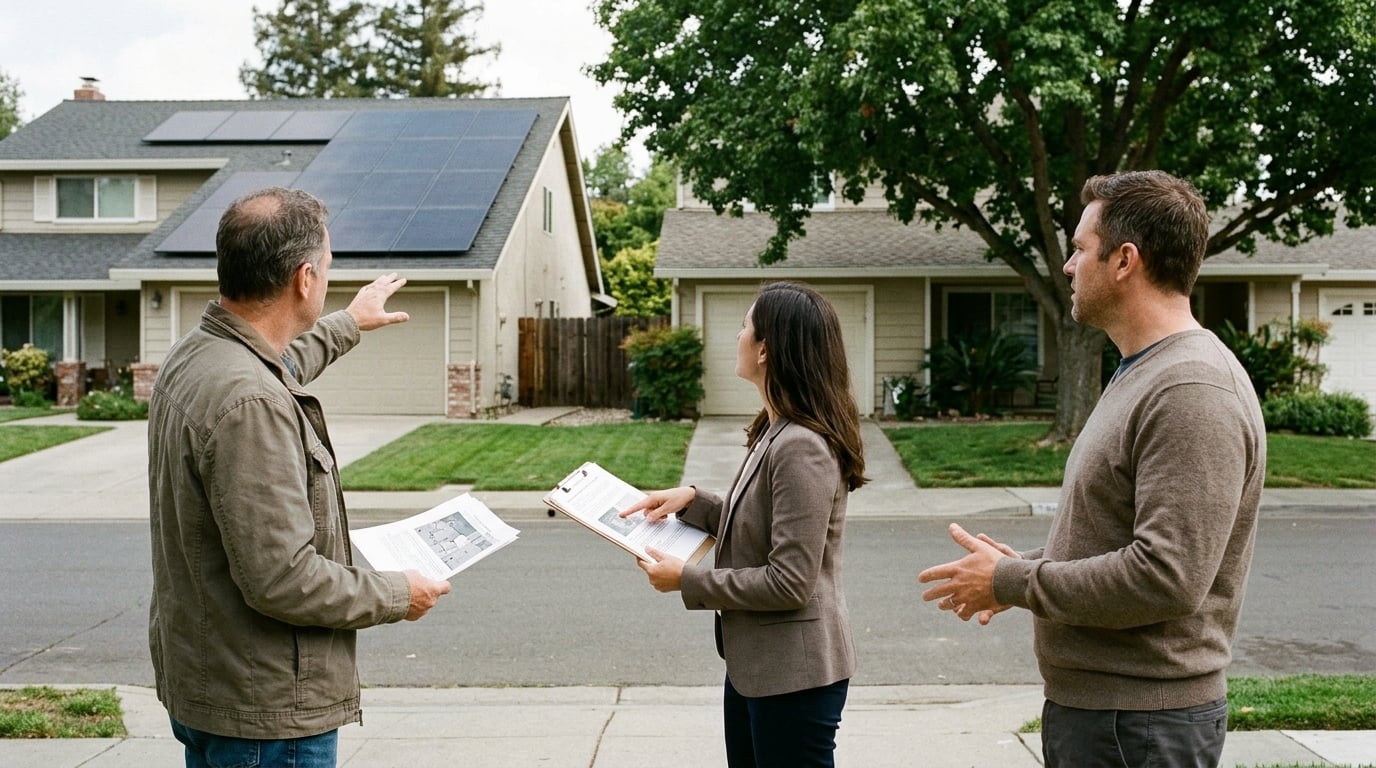

Home security technology has evolved rapidly from simple chime sensors into sophisticated networks of outdoor cameras, connected doorbells, and floodlight units. Modern homeowners install these devices to protect their property, monitor deliveries, and keep an eye on entryways throughout the day. While these gadgets offer peace of mind, they also capture continuous footage of spaces that border shared property lines, sidewalks, and neighboring driveways.
Finding the right balance between family safety and community consideration requires a clear understanding of both hardware capabilities and neighborhood expectations. When cameras point toward adjacent yards or record neighborhood sound without discretion, personal security tools can unintentionally create friction between neighbors. Navigating this challenge involves adjusting device settings thoughtfully and recognizing the basic privacy principles that govern shared residential spaces.
Understanding Digital Surveillance Around Your Property
Every outdoor camera system comes equipped with lenses designed to capture wide viewing angles. Wide lenses help cover large driveways and broad front porches, but they also tend to sweep past property boundaries. A camera aimed at your front steps might inadvertently look directly into a neighbor living room window or capture daily foot traffic along a public sidewalk. In many jurisdictions, recording public spaces from private property is common practice, yet audio recording and intrusive angles into private living quarters often introduce serious concerns.
Audio capture is particularly sensitive because many contemporary smart cameras include high-gain microphones that record ambient sound across substantial distances. While video recording in open view is often legally protected, recording private conversations without the knowledge of the individuals involved can trigger complex wiretapping and eavesdropping regulations. Before mounting external hardware near shared fences or sidewalks, taking time to learn how local surveillance rules protect everyday citizens can keep your installation respectful. You can explore civic guides and civil liberty summaries through knowyourrights2008.org to see how legal standards define personal privacy in residential neighborhoods.
How Modern Security Cameras Capture Sensitive Data
Connected security devices do far more than stream live video to a smartphone. Most current models use computer vision algorithms to detect motion, identify familiar people, read license plates, and categorize events into automated alert feeds. This data is regularly uploaded to remote cloud servers or saved onto local hard drives, creating an ongoing log of neighbor routines, visitor arrivals, and daily patterns.
When households collect continuous footage, they effectively become stewards of personal data belonging to visitors, delivery couriers, and nearby residents. If that data is poorly secured or openly shared across community social media boards without permission, disputes can quickly erupt. Setting up connected equipment requires careful environmental and situational planning, much like our guide on essential tech for families moving abroad explains for households establishing networks in unfamiliar surroundings. Recognizing how your cameras log information is the first step toward building a responsible home monitoring setup.
Practical Steps to Configure Devices for Privacy
Fortunately, major camera manufacturers include software features specifically built to limit invasive monitoring without sacrificing your property protection. By taking advantage of built-in privacy controls, you can keep your home safe while demonstrating respect for the people living right next door.
To adjust your hardware effectively, consider implementing these key device adjustments:
- Define custom motion zones in your mobile app so the camera only triggers when movement occurs on your own walkways or driveway.
- Apply digital privacy masks to block out sensitive regions, such as a neighbor fence line, patio, or bedroom windows.
- Disable continuous audio recording if your camera allows independent audio controls, reserving microphones only for live two-way talk.
- Lower motion sensitivity thresholds to avoid recording pedestrians or passing vehicles that travel along public roads.
Physical camera placement also plays a crucial role. Angle lenses downward toward entry doors rather than straight out across the street. Positioning floodlight units to illuminate only your private walkways prevents bright beams from shining into adjacent bedrooms at night, preserving goodwill with your neighbors while maintaining sharp video quality where it matters most.
Resolving Conflicts and Handling Stored Footage
Even with careful planning, questions and misunderstandings may arise. A neighbor might feel uneasy about a camera dome visible from their garden, or they might suspect that an overhead sensor monitors their family gatherings. Open communication is always the most effective initial response. Walking a neighbor through your camera view on your mobile screen can instantly reassure them that your digital privacy masks block out their property completely.
However, situations sometimes become complicated if a neighbor demands the removal of a device or if an incident in the neighborhood prompts requests for recorded clips. When unexpected property boundary disagreements arise over camera angles, having access to structured legal explanations helps you understand how courts evaluate nuisance and surveillance claims. Reviewing curated legal background articles on mycasesource.com gives homeowners a clearer view of dispute resolution processes before misunderstandings escalate. Understanding how evidence and privacy intersect helps you navigate tricky conversations with confidence.
If local authorities request access to your video archives following a nearby incident, remember that sharing footage is generally voluntary unless accompanied by an official warrant or subpoena. You retain control over your hardware, and maintaining organized logs ensures that you only share relevant clips rather than handing over weeks of continuous private family activity.
Safe Device Maintenance and Network Protection
Protecting neighbor privacy and your own household security also involves securing the network infrastructure behind your devices. Wireless cameras transmit sensitive data across your home router, making strong digital hygiene an indispensable part of property monitoring. Weak passwords or neglected software can expose your camera feeds to unauthorized access, compromising your family privacy and that of everyone within your camera field of view.
Make a habit of enabling multi-factor authentication across all smart home applications and updating device firmware as soon as security patches become available. Segmenting smart cameras onto a dedicated guest network isolates them from your personal computers and financial records, adding a resilient layer of protection against digital intrusions.
Smart surveillance devices offer tremendous utility for managing modern households, deterrence, and daily convenience. Yet the technology functions best when integrated with empathy, thoughtful device configuration, and a sound understanding of community boundaries.
By positioning lenses thoughtfully, masking off private adjacent spaces, and engaging in transparent dialogue with those living nearby, you can build a secure home without compromising the privacy of your community. Responsible technology ownership protects both your physical property and the mutual trust that makes a neighborhood feel safe.
