
A teenager who receives a first phone and a first paycheck may be curious about budgeting apps that promise to track every purchase. The screens look friendly, but the behind-the-scenes process can feel mysterious. A calm explanation of how these tools read account information helps a young person use them wisely. This article describes the general ideas in simple language, without recommending any product or financial strategy. It is not financial advice, and it encourages thinking about privacy as much as convenience. The aim is to help a teen understand the tool well enough to make their own sensible choices about what to connect and what to keep private.
What a Budget App Actually Does
A budget app usually gathers records of transactions and sorts them into groups such as food, travel, entertainment and bills. Some apps read a bank feed, which is a stream of transaction information sent by a financial institution to the app. Explain that the app does not hold the money itself and does not move funds unless the user takes a separate action to do so. The app’s main job is to organize information so that spending patterns become easier to see at a glance. Readers may also want to visit Linkseed. Understanding this role helps a teen avoid expecting magic from a tool that is really a careful sorting system.
Why Connections Need Careful Permission
Connecting an app to an account requires permission, and that permission should be taken seriously from the start. A teen should read what data the app requests and why it needs that particular access. Explain that many apps ask for read-only access, which allows them to view records without changing anything in the account. You can also visit profintechzoom for more reading. Strong passwords, two-step verification and a passcode on the phone add more layers of protection around the whole setup. A quick review of permissions is a simple habit that keeps personal information safer over the long run.
Why Categories Drift Over Time
Automatic categories are helpful, but they are not always accurate, and they can drift as spending habits change. A purchase at a bookstore might be labeled as shopping, while a coffee shop near a station might appear under travel by mistake. Explain that the teen should review categories from time to time and correct anything that looks wrong or misleading. Correcting a few entries teaches the app and also teaches the teen how their money is actually spent in daily life. A simple habit of checking one screen each week keeps the picture reliable. Clear categories make it far easier to notice surprises before they become problems that are hard to fix.
Reviewing Transactions Each Week
A short weekly review is often more useful than a daily obsession with every small payment on the screen. Suggest setting aside a few minutes to look at the totals, the largest transactions and any unfamiliar charges that appear. Explain that an unfamiliar charge should be checked with the bank or card provider right away, because early reporting usually leads to clearer outcomes. The review can also include a short note about one habit to watch, such as ordering food late at night or buying small items on impulse. For a related read on this site, see Showing a Friend How to Season Food in. Consistency turns a budget app from an interesting toy into a useful everyday tool that supports good decisions.
Privacy Settings Worth Checking
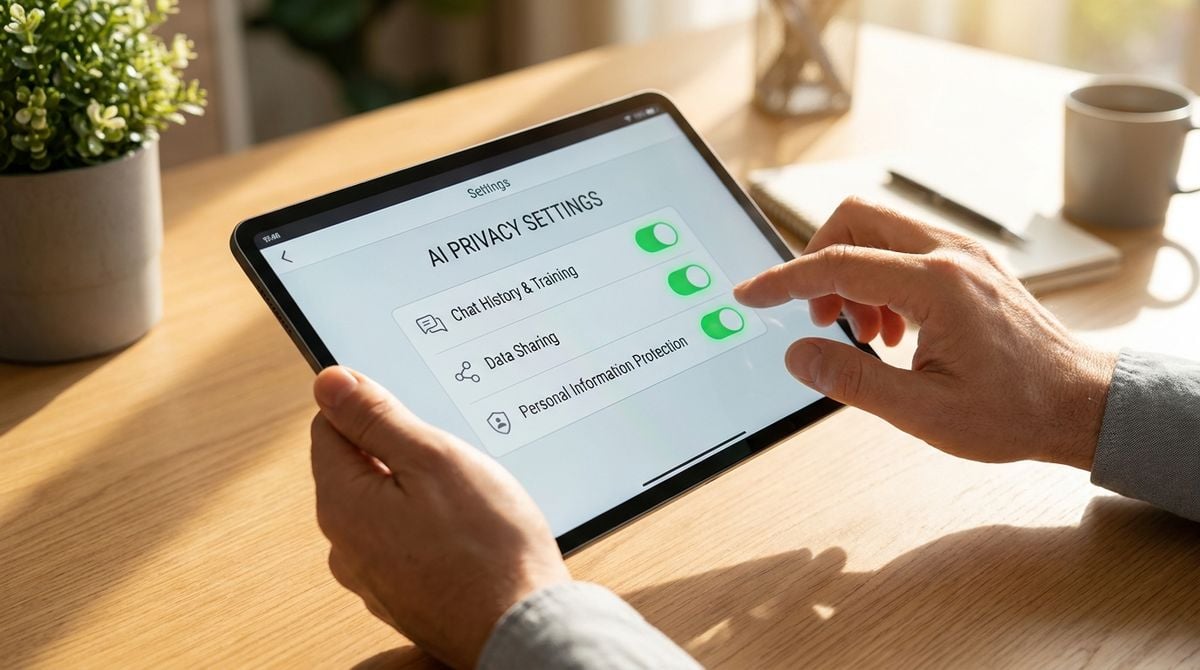
Privacy settings are easy to ignore, but they shape who can see financial details and how notifications appear on a locked screen. A teen should look for options that require a passcode before opening the app and limit sharing with other services. Explain that notifications on a lock screen can reveal balances to anyone nearby, so turning off detailed previews is a smart move. Reviewing the terms and deleting old connections when an account is closed keeps the system tidy and reduces the number of places where data lives. Family members can also agree on a shared rule about checking each other’s accounts, which builds trust without taking away privacy. Thoughtful settings protect privacy while keeping the tool useful for everyday planning.
Closing Thoughts on Using Tools Wisely
End the conversation by asking the teen what they hope the app will show them about their spending. Their answer helps shape the setup, the categories and the weekly routine that follows. A budget app works best when the person using it understands both the benefits and the limits of the technology, and that understanding grows with practice.

