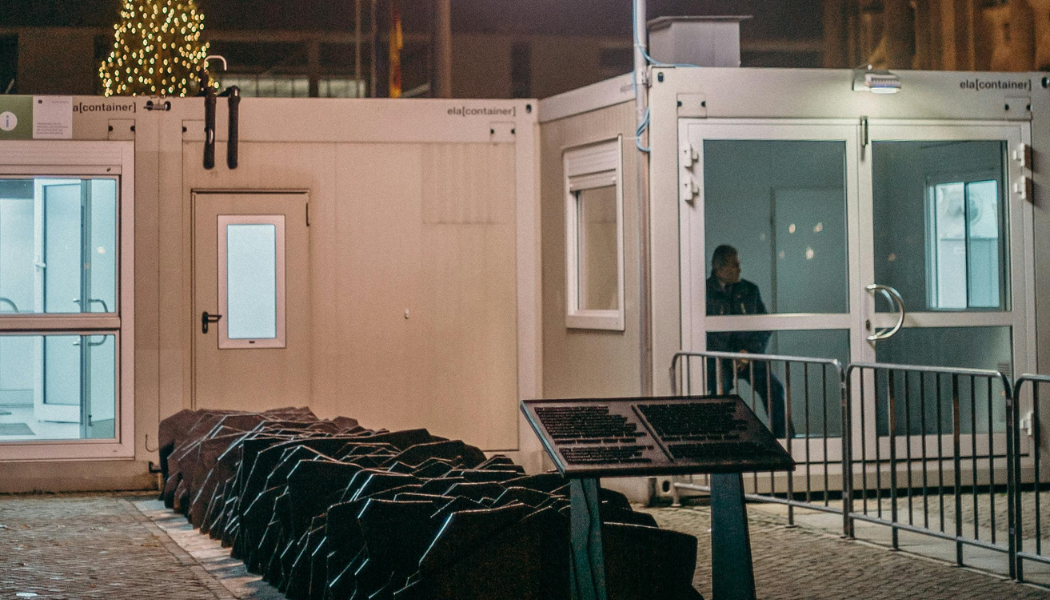

When you see a small, prefabricated steel building sitting in a parking lot, your brain likely defaults to one specific function: security. We are conditioned to see these structures as checkpoints—places where a stern-looking person checks an ID badge or raises a gate arm. In the traditional business model, these buildings are cost centers. You pay for the booth, and you pay the guard to sit in it, all to prevent loss. But limiting a high-quality guard booth to just security detail is a failure of imagination.
These structures are, at their core, durable, climate-controlled, portable workspaces. They are plug-and-play real estate. For savvy entrepreneurs and facility managers, they represent a massive opportunity to generate revenue rather than just protect it. If you have a parking lot, a plot of land, or a high-traffic event space, dropping a booth in the right spot can instantly create a point of sale.
Here are four ways to flip the script and turn a portable booth into a money-making asset.
1. The Valet Command Center
We have all seen the standard valet setup: a college kid standing behind a flimsy wooden podium, shivering under a patio umbrella. It looks temporary, and frankly, it looks cheap.
If you are running a high-end restaurant, a hotel, or a hospital, the valet station is the very first and very last touchpoint for your guest. It sets the tone for the entire experience. Replacing the podium with a professional, glass-walled booth does two things for your bottom line.
- Liability Reduction: The biggest nightmare for a valet operator is key management. If keys are hanging on an open board on a podium, they are vulnerable to theft or simply getting lost in the shuffle. A booth provides a lockable, secure environment for the keyboard. It keeps the assets (the cars) safe, reducing insurance claims.
- Employee Retention: Valet runners hustle. They sprint back and forth in the rain, heat, and snow. Providing them with a climate-controlled home base where they can cool off or warm up between rushes significantly improves morale. Happy runners provide better service, which leads to better tips and repeat customers.
- The Upsell: A permanent structure signals permanence and luxury. It justifies a higher valet fee. People are more willing to hand their keys over to a professional operation than a guy with a makeshift stand.
2. The High-Volume Ticket Kiosk
Speed is currency at live events. Whether it is a county fair, a music festival, or a stadium parking lot, every second a car spends waiting in line to pay is lost revenue. If the line gets too long, people turn around and leave, or they park illegally elsewhere.
Using a dedicated booth as a ticketing hub is superior to wandering attendants for several reasons.
- Cash Handling Safety: Despite the digital age, cash is still king at many events. Having an employee standing in the open with an apron full of cash is a robbery risk. A booth provides a physical barrier that protects the cash and the employee.
- Technology Integration: Modern ticketing isn’t just ripping a stub. It involves scanning QR codes, printing passes, and processing credit cards. A booth provides the necessary electrical infrastructure to run reliable Wi-Fi routers, POS (point of sale) systems, and printers. You can’t run a high-speed fiber line to a tent, but you can run one to a booth.
- Traffic Control: A booth creates a physical funnel. It forces traffic into a single, organized lane. This clarity speeds up the transaction time. If you shave 30 seconds off every transaction because the driver knows exactly where to pull up, you can process hundreds more cars per hour.
3. The Rental Equipment Outpost
If you own a marina, a large park, a golf course, or even a construction equipment yard, your inventory is your lifeblood. The problem is that the inventory is often far away from the main office. If a customer wants to rent a kayak, a golf cart, or a bicycle, they shouldn’t have to walk half a mile to the clubhouse to fill out the paperwork. You need to bring the transaction to the product.
Deploying a booth directly on the dock or at the trailhead creates an instant rental outpost.
- Impulse Buys: If a family is walking by the water and sees a professional booth with a “Rent Kayaks Here” sign, they are likely to buy on impulse. If they have to search for the rental office on their phone, you lose the sale.
- Asset Management: This booth serves as the check-out and check-in station. Staff can inspect the equipment for damage right there in front of the customer before the deposit is returned. It tightens the loop on damages and theft.
- Merchandising: Because these booths have shelving and windows, they double as mini-retail stores. You don’t just rent the golf cart; you sell the sunscreen, the balls, and the bottled water right from the window.
4. The Drive-Thru Micro-Business
The tiny house movement has a commercial cousin: the micro-business. Entrepreneurs are realizing that they don’t need a 2,000-square-foot brick-and-mortar lease to sell coffee, donuts, or smoothies. They just need a window and power.
A prefabricated booth is essentially a turnkey drive-thru.
- Coffee and Concessions: Placed in a busy commuter lot or a corporate campus, a booth can easily house an espresso machine, a fridge, and a barista. The overhead is a fraction of a coffee shop, and the convenience factor for customers is unbeatable.
- The Pop-Up Economy: Because these booths are portable (often moved by forklift or tilt-bed truck), you can follow the crowd. You can place your coffee shop in a beach parking lot for the summer and move it to a football stadium for the fall. You are not tethered to a failing location.
- Check-In Services: Beyond food, we are seeing these used for dry cleaning drop-off/pick-up points in large office parks. The customer never leaves their car. They hand the clothes through the sliding window, and the attendant hangs them on the rack inside. It is the ultimate convenience service.
It’s About ROI
When you look at a spreadsheet, a guard shack is usually listed under “expenses,” but if you shift your perspective, that steel structure is actually a tool for revenue capture. Whether it is securing high-value keys, processing tickets faster, renting out equipment, or selling cappuccinos, the booth provides the professional infrastructure needed to do business anywhere. It allows you to monetize dead space in your parking lot or facility. So, before you write off the purchase as a necessary evil for security, ask yourself: What else could we sell out of that window?