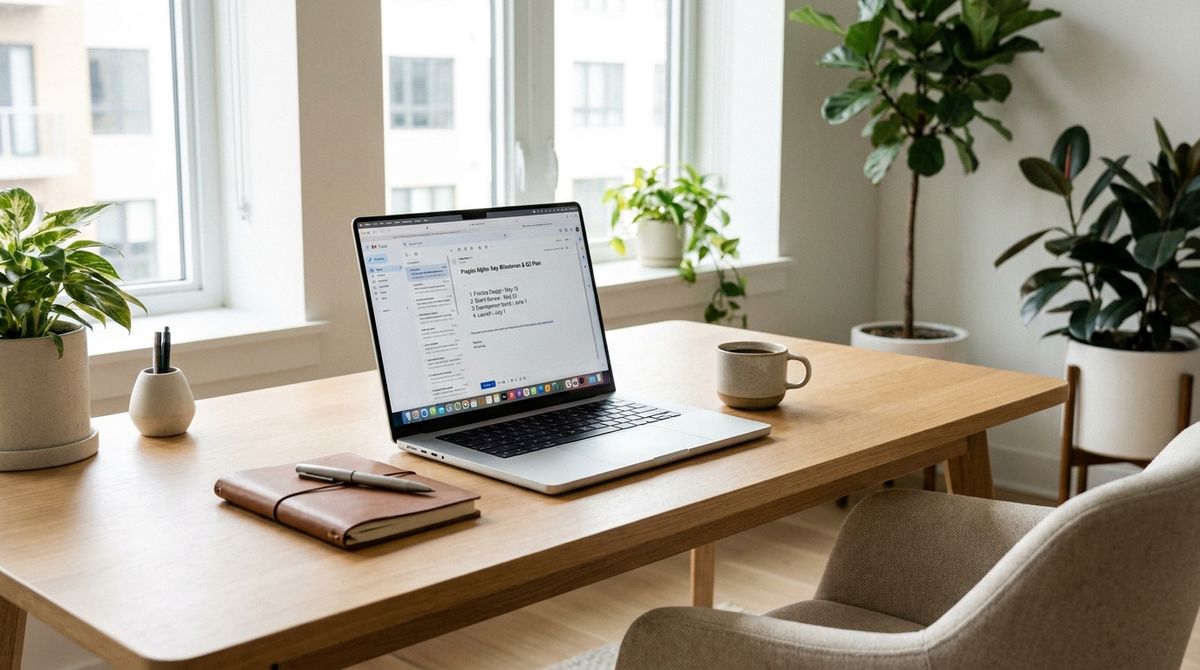

Spending long hours seated at a desk is a familiar reality for modern office workers, remote professionals, and digital creators. While modern computers and monitors allow us to accomplish complex projects from a single chair, staying stationary throughout the workday often leads to stiff joints, sluggish afternoons, and general physical fatigue. Finding a way to remain productive without remaining completely still has become an essential goal for home and office setups.
Fortunately, modern workstation hardware and personal electronics now make it easier to weave physical activity into daily schedules. Instead of treating work time and active movement as opposing forces, thoughtful technology allows you to blend physical well-being directly into your regular workflow. By adopting connected tools that encourage posture shifts, track gentle physical activity, and prompt regular breaks, you can maintain steady focus while keeping your body engaged.
Addressing the Physical Challenges of Modern Workspaces
Traditional office furniture was designed primarily around keeping equipment stationary rather than keeping bodies comfortable. When you remain in a single posture for several hours, your muscles tighten and your circulation slows down. Even ergonomic chairs cannot fully resolve the drawbacks of remaining static. The human body naturally thrives on regular variation in position, from sitting upright to standing, shifting weight, and walking around.
Many professionals spend hours on video conferences and messaging channels without realizing how little they move. While learning how to use connected tools for remote team communication keeps digital collaboration smooth, balancing that screen time with physical mobility is equally critical. When you build intentional movement into your daily work environment, your concentration improves and the physical strain of long computer sessions begins to lift.
Creating a dynamic workstation does not require an immediate overhaul of your entire office. Instead, the process works best when approached as a series of manageable changes. Small adjustments to your desk height, subtle cues from wearable hardware, and scheduled physical resets can gradually transform how your body feels by the end of each workday.
Motorized Desks and Active Seating Alternatives
Height-adjustable motorized desks are among the most effective investments for breaking up prolonged sitting. Modern standing desks feature smooth electric motors and customizable height presets that allow you to transition between seated and standing positions with a single touch. Some advanced models include built-in interval timers or companion mobile software that gently nudges you when it is time to change positions.
Standing alone is not a complete solution, as staying motionless on your feet can bring its own form of fatigue. Pairing a standing desk with an anti-fatigue mat or a balance board introduces subtle micro-movements that engage your core and leg muscles. These accessories encourage small shifts in weight, which helps stimulate blood flow and reduces stiffness in your lower back.
Active seating options, such as ergonomic wobble stools or saddle chairs, also encourage better posture during seated periods. Unlike conventional chairs that encourage slouching against a fixed backrest, dynamic seats require your stabilizing muscles to remain lightly active. Alternating between a supportive task chair, an active stool, and standing creates a natural cycle of posture changes throughout the morning and afternoon.
Wearable Trackers and Posture Monitoring Gadgets
Wearable technology provides direct feedback on your daily activity levels and physical habits. Modern fitness bands and smartwatches do much more than count steps; they monitor continuous heart rates, track movement patterns, and issue quiet haptic reminders when you remain stationary for too long. If you want to expand your fitness knowledge and discover practical health advice to accompany your wearable devices, reading resources like rubitsky.com can help you establish well-rounded daily health routines.
In addition to wrist-worn trackers, dedicated posture sensors offer targeted guidance for desk workers. Small clip-on devices or adhesive sensors placed between your shoulder blades measure spinal alignment and vibrate gently whenever you begin to slouch forward. These subtle notifications train muscle memory over time, helping you maintain upright alignment without constantly thinking about your posture.
Setting up a wearable tracker for an active desk routine works best when you establish simple, consistent baselines:
- Activate hourly stand notifications to prompt regular physical resets away from the monitor.
- Use silent haptic vibration alerts so your workflow remains uninterrupted during calls.
- Establish personal movement goals focused on consistency rather than extreme physical exertion.
- Review daily activity summaries in your companion app to identify your most inactive hours.
Using these features consistently builds an honest picture of your daily habits. Many people assume they move more than they actually do, especially when immersed in intense creative work or urgent deadlines. The objective feedback provided by wearable sensors removes the guesswork and helps you identify opportunities for short physical resets.
Under-Desk Motion Equipment for Continuous Light Activity
For individuals who struggle to step away from their desks during busy periods, under-desk motion equipment offers a practical way to keep legs moving while reading reports or attending webinars. Compact under-desk treadmills, also known as walking pads, fit neatly beneath standing desks and allow you to maintain a slow, steady walking pace while completing routine tasks.
Under-desk elliptical trainers and pedal exercisers provide another low-profile alternative for seated sessions. These compact devices slide under standard desks, allowing you to pedal smoothly without bouncing your upper body or jostling your keyboard. Because they operate quietly, you can use them during virtual meetings or phone conversations without causing background noise.
Finding the right combination of desk tools often involves troubleshooting common daily productivity hurdles. When facing everyday lifestyle dilemmas or looking for fresh ways to solve home office challenges, exploring articles on articledirectorynews.com can provide useful perspectives on balancing modern living requirements with practical solutions. Discovering how others manage daily routines makes it easier to design a workspace that suits your personal needs.
Structuring a Sustainable Daily Movement Schedule
Having innovative gadgets in your office is only effective if you use them consistently. Rather than attempting to stand or pedal for hours on your first day, build a sustainable routine by making gradual transitions. Start by standing for short intervals, such as during the first few minutes of each hour or while reviewing emails, before returning to your seat.
Pairing physical movement with specific workday triggers helps establish strong habits. For instance, make it a personal rule to stand every time you take a voice call, or complete a light set of stretches each time you finish a key project milestone. By linking activity to existing daily patterns, movement becomes a natural component of your workday rather than an inconvenient chore.
Creating an active desk routine is about finding harmony between productivity and personal physical comfort. When you combine height-adjustable furniture, wearable sensory feedback, and mindful movement habits, your workspace transforms from a static enclosure into an energizing environment. With thoughtful technology supporting your body throughout the day, you can accomplish your work goals while feeling refreshed and revitalized.