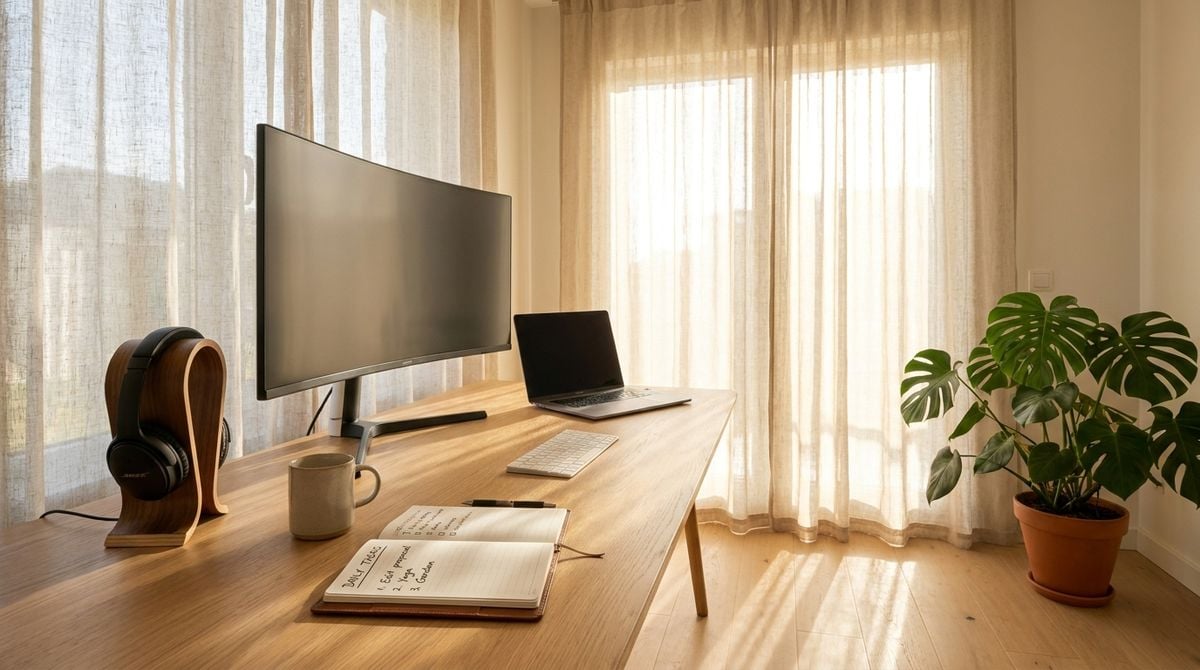

Many renters now work from a spare corner of a small apartment, and that corner must do the job of a full office. The walls may be painted in the landlord’s chosen color, the sockets may sit in awkward places and the internet line may run through a closet. Careful planning can still turn a modest space into a dependable workstation without breaking the terms of the lease. The guidance below is general information for technology users who want a tidy, safe setup in a home that is not their own.
Checking the Sockets and the Wiring First
Start by walking the room with a phone and noting where every socket sits, how many are working and whether any look worn or warm. Plugging several devices into one wall outlet can overload the circuit, so spread the load across two sockets where possible. Use a surge protector with a clear on and off switch, and place it on the floor away from water and direct heat. Never run cables under a rug, because a trapped cable can overheat and cause a trip hazard.
Readers may also want to visit Build Green Atlantic. If a socket feels loose or smells of burning, stop using it and tell the landlord in writing as soon as possible. Keep a photo of the existing connection layout so that the setup can be restored when the lease ends. Good records make it easier to resolve any question about the work later.
Mounting the Desk and the Monitor Without Damage
Most rental agreements limit drilling, so look for a desk and a monitor stand that rest on the floor or the surface without fixings. A corner desk can fit a compact space, but measure the walls and the doorway before ordering so that nothing blocks the escape route. Raise the monitor with a sturdy stand rather than stacking books, since a wobbling screen causes strain over a full day. Place the keyboard and mouse where the wrists can rest level with the elbows.
You can also visit BestsofaCovers for more reading. Check the terms of the lease before using any adhesive on the walls, and test a small piece first on an inconspicuous spot. Keep the screws and brackets from any furniture in a labeled bag. A quick check before moving out confirms that the room looks much as it did on arrival.
Routing the Internet Line and the Power Cables
A stable connection matters more than anything else in a home office, so place the router as close to the workspace as the wiring allows. A short network cable can run along a skirting board under a protective cover, which keeps the line tidy without fixing it to the wall. Keep the modem away from heaters and out of direct sunlight, as heat reduces its performance over time. Label each cable at both ends so that a reset does not turn into a long search.
Cables can be bundled with fabric ties and attached to the back of a desk with clips that do not need drilling. For a related read on this site, see Vertical Planters on a Balcony Rail for a. Leave a small loop of spare cable at the desk so that the chair can move without pulling the plugs. Check the cables every few weeks, because a loose end can cause dropped calls during important meetings.
Protecting Data and Keeping the Setup Safe
A home office holds work files, passwords and personal records, so it needs basic protection from theft and loss. Lock the laptop when stepping away, and keep an external drive or a cloud backup of important documents. Store the router password in a secure place and change it from the factory setting as soon as the connection is working. Keep the front door key with the work equipment in mind, since the apartment is often the only protected space.
Shared buildings can present additional risks, such as a delivery left in the hallway or a visitor who sees a screen through an open window. Close the blinds during calls that include sensitive information, and position the monitor so that it cannot be read from the entrance. Back up files at the end of each working day rather than waiting for a convenient time. A little consistency keeps the office safe without making it difficult to use.
Leaving the Space as You Found It
When the lease approaches its end, remove the adhesive hooks, unclip the cables and clean any marks left by the desk. Return the wiring to the position that was shown at the start of the tenancy. Check the photos taken at the beginning so that nothing is forgotten. A clear handover makes the deposit process simpler for everyone involved.
A Small Office Can Still Be Dependable
A rented apartment does not have to limit a serious home office. Careful checks on the sockets, gentle mounting, neat cabling and steady backups make a compact space reliable. The arrangement works best when it respects the building and the agreement that allows the work to happen there.


