
Modern kitchens hold more gadgets than ever, from scales and timers to smart appliances and small processors. Used well, these tools save time and reduce waste. Used carelessly, they sit unused, run flat at the wrong moment or collect grease in the wrong places. The practices below are simple habits that help home cooks get the most out of their equipment every week.
The suggestions are general and apply to most household kitchens. Each habit is explained with the reason it helps and a practical way to keep it running. Adapt them to the devices you actually own, rather than trying to master everything at once.
Charging Gadgets Overnight
Keep wireless scales, timers, handheld thermometers and any battery powered tools on a charging station that is checked each night. Plug in each device before bed so it is ready for the next day’s cooking. A labeled tray near the sink makes the habit easy to follow. Readers may also want to visit todaynewsletter.net.
Charging overnight works because a flat device at dinner time is a frustrating interruption. It also means a cook is never forced to stop mid recipe to search for a cable. Replace worn cables when they start to fail, and keep spares in the drawer where the station is located.
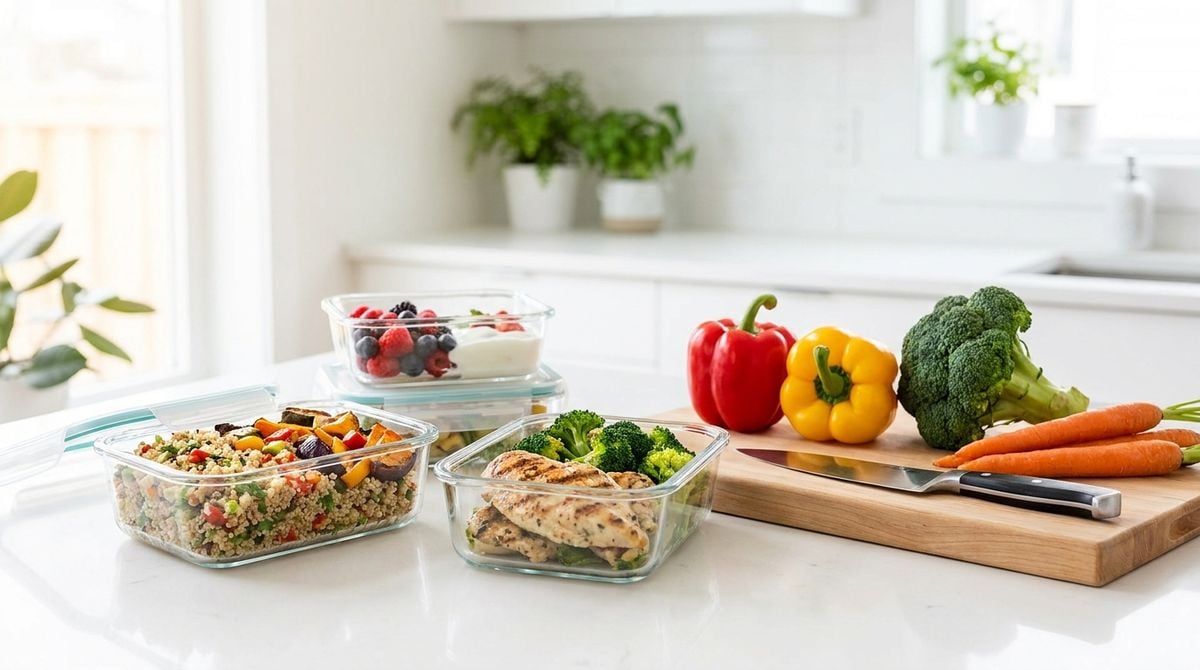
Labeling Storage Containers
Write the contents and the date on each container of prepared food, using a waterproof label or a simple marker. Clear labels help everyone in the household find ingredients quickly, and they reduce the waste that happens when leftovers are forgotten. You can also visit Simpcity for more reading.
Labels turn the fridge into an organized space rather than a guessing game. They also make it easy to use older items first, which saves money over time. Keep a box of labels and a pen beside the storage shelf so the habit takes only seconds.
Using Timers at Every Step
Set a timer for each stage of cooking, such as boiling, resting, baking and cooling. Multiple timers help a cook move between tasks without relying on memory. Choose timers with clear sounds and display readings, and keep one close to the cooking area. For a related read on this site, see Money Habits for Tech Workers Who Live Online.
Timers work because cooking often fails through small lapses in attention rather than major mistakes. A timer for each stage gives a clear cue to move on. Practice the habit with simple meals first, then extend it to more complicated recipes as confidence grows.
Cleaning Sensors and Lenses
Wipe the sensors on scales, the lenses on cameras used for recipes and the surface of touch screen panels after each use. Dust and grease can block readings and make buttons unresponsive over time. Use a soft cloth dampened lightly with water, and avoid harsh cleaners that can damage coatings.
Clean sensors give accurate readings, which matters more than most cooks realize. A quick wipe after cooking takes seconds and extends the life of the device. Keep the cloth beside the charging station, so cleaning becomes part of the same nightly routine.
Sharing a Digital Shopping List
Keep one shared digital shopping list that everyone in the home can update during the week. Add items as soon as they run out, and tick them off at the store. Organize the list by aisle or category so that the trip takes less time and fewer items are forgotten.
A shared list stops duplicate purchases and reduces the frustration of arriving home without a key ingredient. It also helps meal planning, since the cook can see what is already in stock. Review the list before each shop, and clear anything no longer needed so the next trip stays focused.
Reading Manuals Once
When a new appliance arrives, spend ten minutes reading the instructions and noting the main settings, safety points and cleaning steps. Keep the manual in a labeled folder or a phone photo, so it is easy to find later. A brief reading saves time spent guessing during the first few meals.
Reading once prevents many common errors, such as using the wrong setting or overlooking a cleaning step that protects the device. It also reveals features that may make everyday cooking easier. Note the most useful settings on a card attached to the appliance, and share the card with others in the household.
Cooking With Less Friction
Practical kitchen technology grows from simple, steady habits. Charging overnight, labeling containers, timing each step, cleaning sensors, sharing a list and reading manuals once help every device earn its place. Begin with one routine this week and add the others gradually, because a kitchen that runs smoothly makes every meal feel less hurried.


