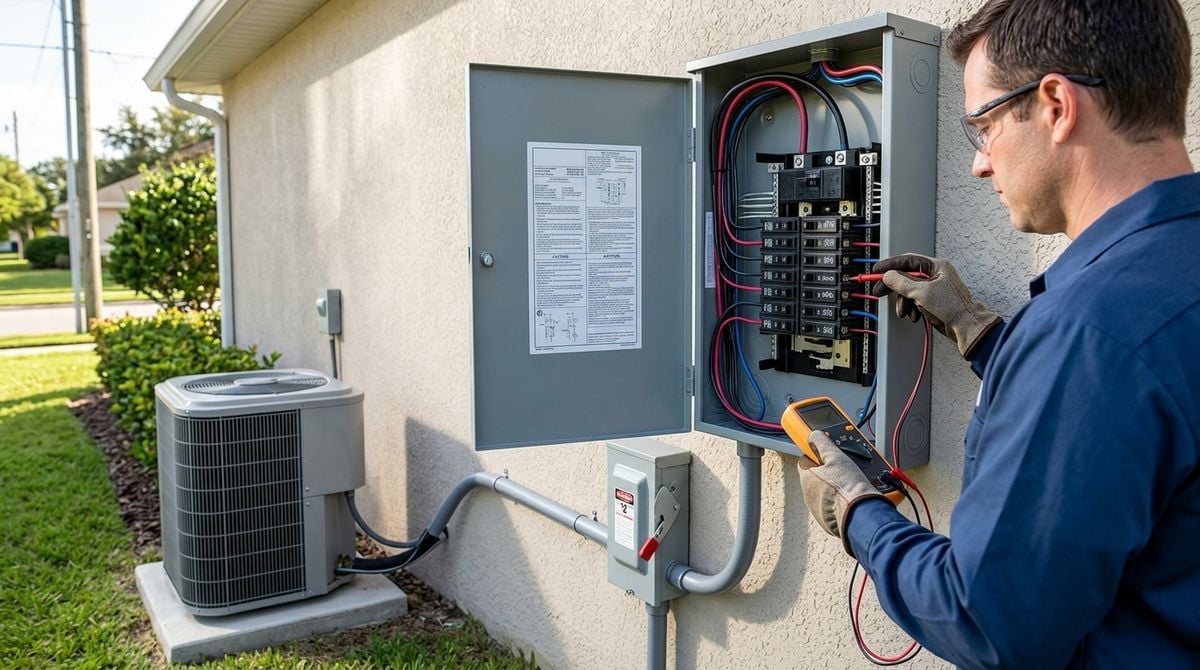

Smart planters, moisture sensors and timed watering controllers have made backyard gardening easier, and many of them sit in damp soil, under misty skies or beside a hose. Mixing electricity with water and dirt calls for steady habits. A device that runs on mains power, or a charger that trails across wet grass, can cause problems if it is not chosen and placed with care. Good outdoor electrical safety is mostly common sense: pick suitable products, keep connections dry and off the ground, store equipment properly in winter and keep cords clear of children. The notes below offer general precautions for families who want their garden technology to last.
Using Outdoor Rated Plugs and Sockets
Look for outdoor rated sockets, covers and plugs before connecting any device to power. Weatherproof boxes keep rain from reaching the contacts, and they can be mounted under a porch or beside a shed wall. Readers may also want to visit Groliehome. Plug devices only into sockets that include a residual current protection feature, if your home has one. Never run an indoor extension cord through a garden bed or across a lawn. Check that the cable sheath is labeled for outdoor use, since indoor cables dry out faster in sunlight. Choose plugs with a snug cover that closes fully, since loose covers let rain reach the contacts.
Drip Lines Near Wiring and Adapters
Irrigation lines and mains adapters should be kept apart. Position drip pipes so they do not run directly beneath a power box or a charger. You can also visit Shiawase Home for more reading. Check that all fittings are tight and that no connector is pressed into wet soil. A small gap between water and electricity is one of the simplest protections a garden can have. Route drip pipe along the edge of the bed, not beneath a wall box where a leak could seep inward.
Storing Devices Through Frost and Heavy Rain
Winter frost, heavy rain and summer heat all stress outdoor electronics. Bring portable sensors and controllers indoors during the coldest weeks, and dry them thoroughly before storing. For a related read on this site, see Spotting Fake Bank Alerts Before They Cost You. Keep batteries out of the cold where possible, and store charging cables in a closed container. A tidy winter routine extends the life of equipment that works hard all summer. Keep a small box with silica packets inside the storage container so the air stays dry. Let a sensor dry on a towel for a day before packing it so no moisture is trapped.
Battery Compartments and Sensor Care
Battery compartments are a common entry point for moisture. Check seals and gaskets before each season, and replace any that have cracked or flattened. Remove batteries from devices that will sit unused for a long time, since leaking cells can corrode the contacts. Wipe sensor probes with a dry cloth after use, and keep them away from fertilizer residue that can affect readings. A few minutes spent on upkeep prevents larger repairs later. Store spare batteries in a sealed bag away from metal objects that could create a short.
Mounting Gadgets Out of Children’s Reach
Garden gadgets attract curious hands, and small parts or cables can be dangerous for young children. Mount controllers high on a wall or inside a locked box, and route cables along the wall rather than across a path. Keep batteries and small sensors in a closed container, since they are easy to swallow. Teach children that the garden technology is not a toy and that they should tell a grown-up if a device looks damaged. Simple placement decisions keep the whole family safer. Fit a clear cover over any button panel so an accidental press is less likely. Keep the controller at a height where the display is easy to read without bending.
Checking Cords and Connections Each Month
Outdoor cords take a lot of punishment from sun, rain and foot traffic. Once a month, look along each cord for cracks, flattened sections, exposed wires or discolored plugs. Make sure that connections are seated firmly and that no water collects inside the plug. Replace any damaged cable instead of wrapping it in tape, since tape can hide problems that grow over time. A regular inspection finds issues while they are still small and easy to fix. Test that the outlet’s residual protection device trips when its test button is pressed. Keep a log of each inspection on the inside of the shed door for easy reference.
Simple Outdoor Electrical Habits
Good outdoor electrical care follows a few clear principles. Choose suitable equipment, keep power connections dry and raised, store gadgets carefully in cold weather, guard batteries from moisture and keep cords out of reach. Share these habits with everyone who helps in the garden, so nobody unplugs or moves a device without thinking. When something seems wrong, such as a warm plug or a flickering light, switch the power off at the source and seek advice from a qualified electrician. Calm, consistent care keeps the garden productive and the household safe. Post a short list of these habits near the garden tap so every helper can read it.