If you’re shopping for a new car, it’s easy to get distracted by mod cons like bluetooth connectivity and heated seats. But the smartest money you’ll spend is on safety technology. Modern driver assist systems can help to detect threats on the road and reduce crashes, protecting you and your passengers. Below are 7 examples of safety features to look out for when buying your next car.
Autonomous Emergency Braking
Autonomous Emergency Braking (AEB) is one of the most sought after features when shopping for a new car. Cameras and sensors monitor the road ahead and bring the vehicle to an emergency stop if a collision seems likely. It’s particularly effective at reducing rear end collisions caused by fatigue and distraction. AEB sensitivity can vary between cars – it’s worth checking whether AEB works at all speeds and in all light conditions.
Blind Spot Monitoring
Blind Spot Monitoring (BSM) can help you see what your mirrors can’t. Using radars and cameras, this technology can show a warning light in or near your side mirrors when a vehicle is detected in your blind spot. Some BSM systems also give out a warning noise or a steering wheel vibration alert. This is useful for preventing collisions when changing lanes. Some cars also have BSM systems to help when reversing.
Lane Keeping Assist
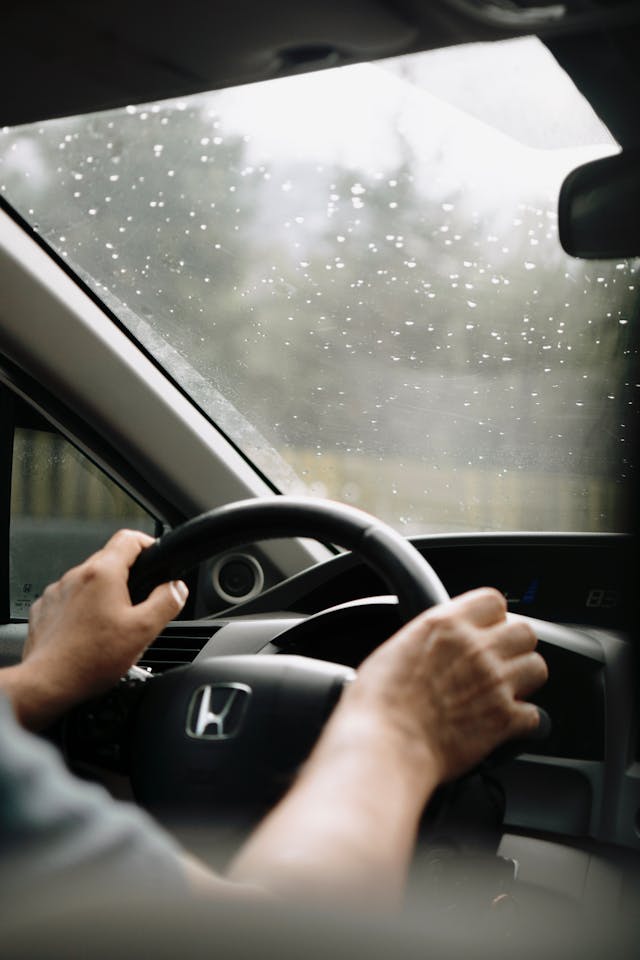
Designed to help prevent you drifting into other lanes, Lane Keeping Assist (LKA) uses cameras to read lane markings and warns you if you go over the line. In some cases, this technology may even automatically guide you back into the lane. LKA can help prevent many fatigue-related and distraction-related crashes on highways. Look out for cars that have LKA that can be used in conjunction with adaptive cruise control.
Automatic Headlight Activation
Visibility in the dark is very important, and automatic headlight activation can help to ensure that you can always see the road ahead. Sensors detect ambient light levels and automatically turn on the headlights when it gets too dark. This includes when entering a tunnel or parking in a garage. Such technology can help to prevent those ‘oops’ moments when you forget to turn on your headlights. Some cars also have automatic high-beam control for rural and poorly lit roads.
Backup Camera
Backup cameras can greatly help to prevent accidents while reversing. When you shift into reverse, a camera at the rear of the car sends a live video feed to your infotainment screen. Some backup cameras also provide guidelines to show your projected path (useful for backing into bays), as well as proximity lines to indicate how close you are to obstacles. Try to look out for cars that have night vision backup cameras combined with parking sensors, helping you to carry out maneuvers in the dark.
Traffic Sign Recognition
Another modern safety technology worth looking out for is Traffic Sign Recognition (TSR). This technology can keep you informed on road signs you may have missed including speed limits, school zone signs or one way road signs, often displaying images of these signs on your dashboard. TSR is most useful when exploring unfamiliar areas or when navigating complex roadworks where signs may be hard to see. In some cases, TSR can provide optional over-speed warnings to help prevent you going too fast
Automatic Emergency Call
This is a feature you’ll hopefully never need, but you’ll be grateful for it if you do. Automatic Emergency Call detects airbag deployment and significant impact and then automatically contacts emergency services to let them know you’ve been in a potentially dangerous collision. It’s most useful in rural areas at night, where there may not be people around to see you crash. Always check information on exactly how this SOS function works – in some cars, this safety tech feature may require a smartphone connection.
Adopting the right safety tech
When you’re comparing new cars, make sure to look into these seven features. Work out which safety features are most useful depending on your driving behavior and shop for models that have them in-built as standard. Understand that the quality of these technologies can vary between cars – it’s often reading reviews or looking into car safety ratings to get a good idea of just how good these safety features are. Many older vehicles won’t have any of the above safety features, but it may be possible to retrofit them into certain models (a lot of people are now installing backup cameras on older vehicles). Make sure that these safety features are installed by a professional.