
A software team building a product for clothing may know a great deal about sensors, batteries, and data, yet know little about how garments are cut, sewn, and worn. Explaining fashion basics to engineers helps them design with the body and the wardrobe in mind. The goal is not to turn coders into designers. It is to share a common vocabulary so that a jacket and a circuit can be discussed in the same meeting without confusion. Small, friendly conversations often do more than a long slide deck full of specifications, because people remember stories about real wearers far better than tables of numbers and terms. A single photograph of a real wearer on a busy street often makes the point faster than a page of notes.
Begin With How Clothing Is Worn
Fashion starts with the person who wears the garment. Explain that clothes must fit different bodies, move with ease, and look right in many different settings across a single week. A jacket that suits a commuter may fail a hiker, and an office shirt may need a different fabric than a sports top. Readers may also want to visit mashboxx.com. Ask the team to imagine a full day in the life of a wearer, from waking up and getting dressed to packing a bag for the evening. This sequence reveals practical needs that a technical specification can easily overlook, such as pockets that must be reachable while sitting in a car. Ask about storage, too, since a phone or a key needs a home that stays put while the wearer moves.
Fabric Behaves Differently From Hardware
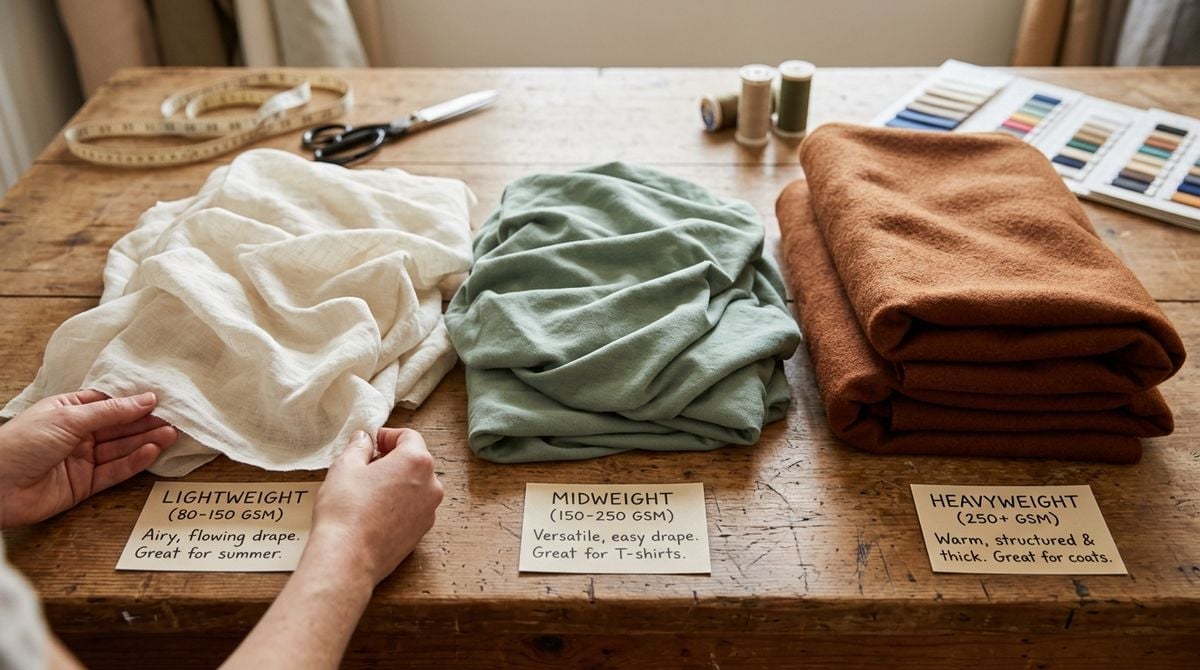
Fabric is not a circuit board. It stretches, wrinkles, shrinks, and absorbs sweat, often in ways that surprise people who only see it in a lab. Explain that a sensor sewn into a sleeve will flex every time the arm bends, so it must survive that motion without breaking or pulling away from the cloth. Cotton, wool, synthetic blends, and knitted fabrics respond to washing and heat in distinct ways that affect every connection. You can also visit AndroMods.com for more reading. Engineers who understand textile behavior can plan for flexible connections and gentle seams rather than fighting the material at every step of the build. Testing a prototype after many washes is far more useful than testing it once on a bench.
Care Labels Shape the Design
Care labels look simple, but they influence product design in a major way. A garment that must be dry cleaned will be used differently from one that goes into a washing machine at home. Explain that a smart garment must survive the same cleaning routine as ordinary clothing, or its features will fail the first time it is washed. Waterproof coatings, removable batteries, and sealed electronics all need clear guidance for the wearer. For a related read on this site, see Soil Moisture Sensors for a Parent Who Gardens. Teams that plan around the care label from the very beginning avoid disappointed customers later. Involving a textile specialist early can save weeks of rework and keep the budget under control.
Fit, Sizing and Comfort
Sizing charts are the first place where fashion and technology collide. A sensor placed over a bone may feel fine on one body and uncomfortable on another with a different shape. Explain that fit should be tested with real people across many shapes, sizes, and daily routines, not only with a single model in a studio. Comfort includes heat, weight, and the feel of a fabric against the skin, and it changes over a long day of sitting, walking, and carrying. A product that works well in a lab may still annoy a wearer who sits at a desk all day and moves very little. Feedback from ordinary wearers, collected over several weeks, is often more valuable than a perfect test in a single session.
Style Decisions Are Product Decisions
A device hidden in a seam is only useful if people want to wear the garment. Explain that color, line, and texture shape whether a product feels like clothing or like a gadget strapped to the body. Engineers can help by reducing bulk and giving designers room to plan the silhouette early in the process, before the layout is locked. When the two groups talk regularly, the final product feels cohesive rather than bolted together after the fact by people who never met. A shared sketchbook or a simple mood board can give both groups a common picture before any decisions are locked in.
Shared Words Build Better Clothes
A software team that speaks a little fashion will ask better questions and make wiser trade-offs. The clothing will fit, feel right, and survive the wash, while the technology does its work quietly in the background. Keep the conversation going through prototypes and fittings, because the best wearable products are shaped by people who understand both the body and the code. Every fitting is a chance to learn something new about the body, and every line of code is a chance to respect it.