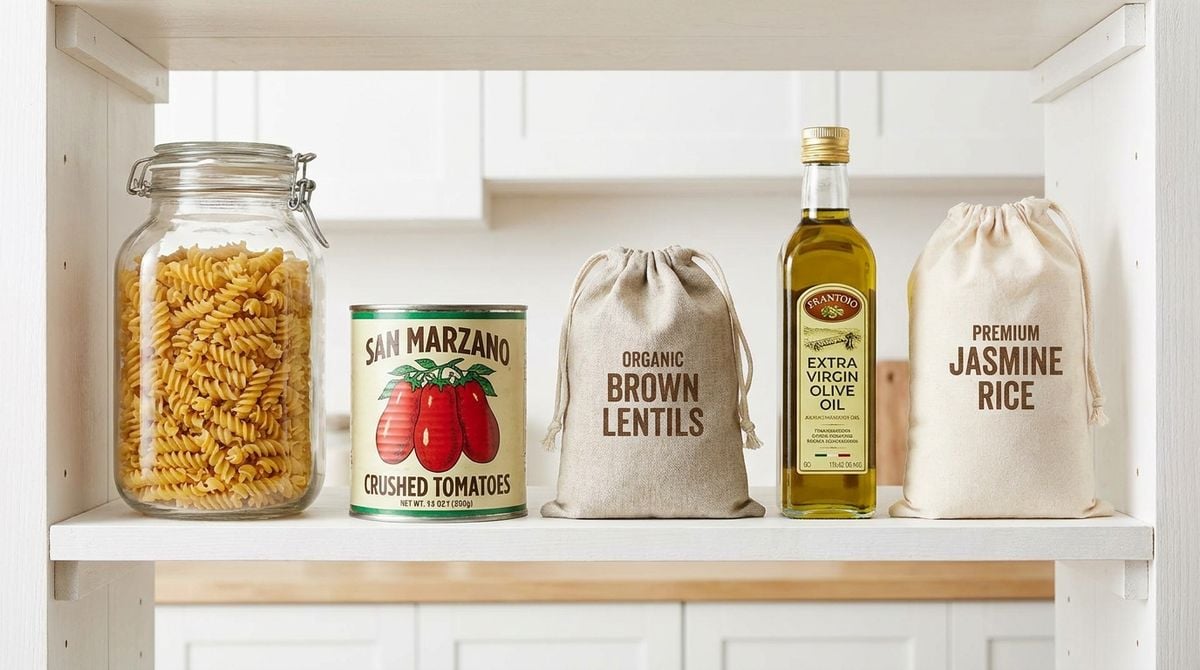

Technology can make cooking feel complicated, with a new appliance for every task and a screen to guide each step. Yet the pantry and a few basic pans already hold most of what a home cook needs. Before adding another gadget, a reader can test ideas with ordinary tools and see which features truly help the daily routine.
This article is general information about everyday cooking with tools most homes already have. It does not recommend particular appliances or brands, and it makes no claims about health or nutrition. Readers with food allergies or special dietary needs should check labels carefully and consult their own professionals when necessary.
Working Through the Pantry
Begin with dry goods that keep well, such as rice, lentils, oats, and canned tomatoes. Note the date printed on each package and move older items to the front of the shelf. A simple meal often comes together from one grain, one protein, one vegetable, and a sauce built from pantry spices. Practicing that pattern builds confidence without any special equipment.
Readers may also want to visit theroadatlanta.org. Use them as a starting point, then adjust the flavors to suit your household. Keeping a short list of what you cook each week helps you spot patterns and gaps that a shopping trip can fill sensibly.
Making the Most of Basic Cookware
A heavy skillet, a medium pot, and a sheet pan can handle most weeknight cooking. Learn how each one heats, and note where hot spots appear in the oven. Preheat the pan before adding oil, and let food sit undisturbed long enough to develop color. These habits matter more than owning a crowded set of specialized tools.
You can also visit Morskoiboy.com for more reading. Cleaning cookware well extends its life. Wash pans soon after use, avoid harsh scrubbers on delicate surfaces, and dry them completely before storing. A small rack in the cabinet keeps lids and pans organized so the right tool is always within reach.
Testing Gadgets Only When They Solve a Problem
Ask one simple question before buying a gadget: what problem does it solve that the current tools cannot? For a related read on this site, see A Notes App and a Calendar Reminder as. The best guides focus on tasks rather than features, which keeps the decision grounded.
Write a short list of the tasks that take the most time each week. A gadget that cuts one of those tasks may be worth a look, while one that adds an extra step rarely earns its shelf space. Test the idea with a borrowed device before committing any money to it at all.
Keeping a Pantry Routine
Restock the pantry on a steady schedule rather than in large batches. Buy small amounts of perishable items and larger amounts of dry goods that will not spoil quickly. Rotate jars and bags so the oldest ones move forward each time you shop, which reduces waste and keeps flavors fresh.
Share the routine with others in the home. A shared list on the refrigerator door shows what is running low, and one person can take on the job of checking the shelves each week. Routines like this keep meals steady without requiring any new technology at all.
Think about the cleaning and storage of any new gadget before it arrives. A device that needs a long list of parts, a deep scrub, or a shelf of its own may cost more time than it saves. Measure the cupboard space you actually have, and imagine the device sitting there on an ordinary weeknight. If it feels crowded in that picture, the answer is probably no, and the money stays where it is.
Build meals around a planning rhythm rather than a list of gadgets. Choose two or three dinners to repeat each week and rotate them with seasonal produce. Repetition makes shopping faster, reduces waste, and lets each pan earn its place through steady use. Over time the routine becomes the real kitchen tool, and it works with any stove.
Invite everyone at the table to name one meal they would like to cook. Give each suggestion a place in the weekly rotation, even if it needs a simple adjustment. Shared choices make the pantry feel like a family project, and they often lead to new favorites that nobody would have chosen alone.
Test each new pan or tool with one simple dish before recommending it to anyone else. A plain omelet, a pan of roasted vegetables, or a pot of rice reveals how a tool behaves in ordinary use. Note any surprise in the cooking log, and return or rehome the item if it never earns a place.
Keep the pantry shelves tidy so that every ingredient is visible at a glance. Clear jars, labeled lids, and a simple rotation make it easy to spot what is missing before the weekly list gets written. Good visibility saves money and time without any extra gadget.
Simple Tools, Steady Meals
The most useful kitchen tools are often the ones already on the counter. A well-stocked pantry, a few reliable pans, and careful testing of new ideas make cooking feel manageable. Begin with tonight’s dinner and build from what is already in the house.

