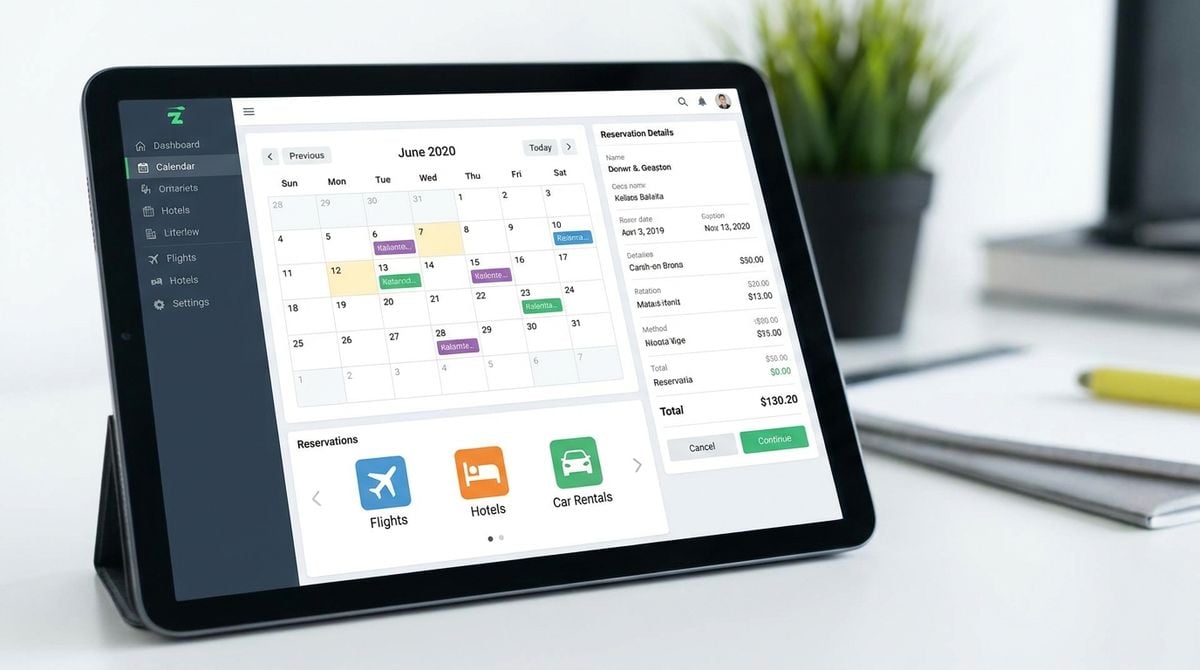

A pet service that takes bookings online depends on a page that works every single day. Updates to the underlying software, changes in browser behavior and new form rules can break a booking page without warning. A customer who finds a broken form may simply book somewhere else. Long-term upkeep keeps the booking page reliable so that owners can reserve care with confidence.
The best protection is a routine that tests the flow regularly and records what changed. The sections below describe a weekly test booking, a monthly review of updates and notifications, a yearly review of the platform and its data, and the warning signs that a booking page needs urgent help. None of these steps requires a developer for basic checks, although complex problems deserve professional support.
Weekly Test Booking From Start to Finish
Once a week, complete a test booking from the public page as if you were a new customer. Choose a service, pick a date, fill in the form and read the confirmation message carefully. Check that the confirmation email arrives promptly and that the details match what you entered. Cancel the test booking so that the calendar stays clean. Write any problem in a shared log with a screenshot and the time it happened.
Weekly tests should also use more than one device. Try the page on a phone, a tablet and a desktop computer, because layouts and form fields often behave differently. Readers may also want to visit Globenews12.com. Keep only the checks that match your own services and customer base. A brief, repeatable test beats a rare and complicated one. Note which device gave the smoothest result, so you can spot a pattern if one device starts to struggle.
Monthly Review of Updates and Notifications
Once a month, review every update that the booking system has announced since the last check. Read the release notes for anything that changes form fields, payment steps or reminder messages. Apply updates in a test environment or at a quiet time of day, and repeat the test booking afterwards. Confirm that the notification settings still send reminders to both the customer and the staff. Note each update and its effect in the same log.
Monthly reviews also reveal whether reminder messages still reach the right people. Check spam folders occasionally, because a change in sending rules can move legitimate messages out of sight. You can also visit Digitallard.com for more reading. Adopt one improvement each month instead of rebuilding the whole page at once. Stable, incremental change protects the customer experience.
Yearly Review of the Platform and Customer Data
For a related read on this site, see Extending the Life of Phone Cases and Earbud. Review the booking platform and decide whether it still fits the way the business runs. Confirm that customer information is stored securely and that only the right staff can see it. Remove old accounts, unused connections and staff logins that no longer belong. Export a backup of the booking records and store it in a secure place.
The yearly review is also a good time to clean up the customer records themselves. Remove entries that are duplicated or clearly out of date, and check that consent for reminders is recorded where required. Confirm that payment details are handled by the provider rather than stored in plain notes. Update the page’s policies so they describe the current cancellation and changes process. A tidy, transparent system builds trust with every returning customer. Owners tend to notice reliability far more than clever design, so a page that simply works each time is the real goal.
Warning Signs a Booking Page Needs Urgent Help
Several signs suggest that a booking page needs prompt attention. Customers who report that the form stops at the same step are describing a fault that should be fixed quickly. A sudden fall in completed bookings, when traffic has not changed, may point to a broken button or an error message. Confirmation emails that go missing or arrive with the wrong details undermine trust in the whole service. Duplicate bookings that appear in the calendar suggest a sync or form problem.
Warning signs can also appear in the way people talk about the service. Phone calls from customers who could not complete an online booking are worth recording and reviewing. If several customers mention the same confusing wording, rewrite that part of the page and test it again. For technical faults that you cannot resolve, ask a qualified web professional for help. Quick, documented responses keep the booking page dependable for owners and pets alike.
Keeping the Booking Page Dependable Through Every Update
A booking page stays dependable when it is tested, reviewed and cleaned on a steady schedule. Weekly test bookings catch faults early, monthly update reviews keep changes visible, and yearly platform checks protect customer data. When these routines are shared, the page remains a calm, reliable doorway for owners who need care for their pets.


