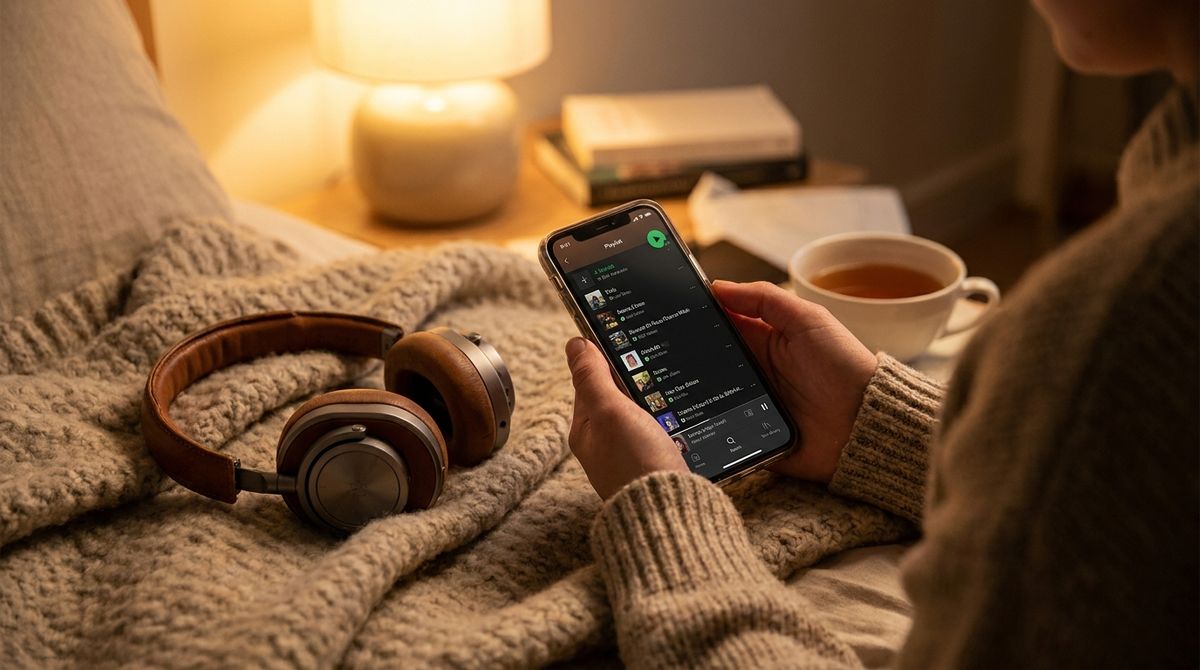

Setting up a dedicated listening space has become a deeply rewarding project for homeowners who want to step away from daily screen fatigue and enjoy pure sound reproduction. While traditional listening areas once required complex analog cabling and bulky manual gear, modern connected hardware makes sound management and source streaming far more accessible. Today, you can build an inviting home listening environment that balances clean living aesthetics with exceptional acoustic fidelity without needing professional studio construction.
A great music room does not rely on random chance or expensive trial and error. It requires a thoughtful blend of physical room preparation and intelligent digital components. By integrating calibration tools, network streaming players, and subtle ambient automation, you can create a personal sanctuary that respects historic audio recordings while offering the effortless convenience expected from modern home technology.
Evaluating Room Acoustics with Digital Calibration Tools
Every residential room introduces unique physical challenges to sound reproduction. Hard surfaces like uncovered windows and bare floors reflect sound waves, creating harsh high frequencies and unpleasant echoes. Meanwhile, standard rectangular rooms often trap low bass frequencies in corners, resulting in boomy, uneven sound. Addressing these acoustic obstacles begins with measuring how sound moves through your specific space.
Modern room calibration technology takes the guesswork out of complex acoustic planning. Using a dedicated measurement microphone paired with analysis software on a tablet or computer, you can run frequency sweeps from your primary listening position. The software maps where sound waves bounce, cancel each other out, or build up excessive energy, giving you a clear visual representation of your room acoustics and highlighting problem frequencies.
Once your software analyzes the room response, it creates digital correction filters that smooth out peaks and dips across the frequency spectrum. You can then position physical acoustic treatment, such as fabric-wrapped absorption panels and wooden diffusers, with clear intent. Combining digital corrections with physical treatments yields a balanced soundstage where instruments and vocals sound natural rather than strained.
Selecting Connected Hubs and High-Resolution Streamers
The heart of a contemporary listening room is a dedicated network audio streamer. While basic wireless connections are convenient for portable speakers, they often compress audio data and introduce signal degradation. Network audio streamers connect directly to your home network through wired connections or stable wireless bands, pulling lossless audio streams without interruptions, buffer stalls, or loss of musical detail.
Building a diverse digital music library involves more than just selecting songs; it involves learning the context behind the art. When researching music history, artistic evolution, and media archives, turning to comprehensive knowledge portals like loranocarter.com can broaden your perspective on how shared information and educational resources deepen our connection to creative work. This contextual knowledge makes listening sessions far more engaging and meaningful.
A high-grade streaming hub also interfaces seamlessly with an outboard digital-to-analog converter. This vital component translates raw digital signals into smooth analog voltages for your amplifier and speakers. Modern converters isolate internal circuitry from electrical noise and jitter, helping subtle background details in your audio files remain clear, defined, and expressive during playback.
Curating Audio Sources and Classic Acoustic Recordings
Even the finest audio equipment depends entirely on the quality of the recordings you feed into it. Modern digital platforms offer expansive catalogs of studio masters, live concert tapes, and restored historical recordings. Evaluating your sound system with stripped-down acoustic music reveals how accurately your setup renders natural instrument resonance, vocal timbre, and room decay.
Classic American folk and blues recordings serve as exceptional reference material because they capture unvarnished acoustic instrumentation and raw vocal emotion. Listeners interested in the roots of American acoustic music can visit Theleadbelly.com to explore the rich history, timeless songs, and enduring cultural impact of one of music history’s most influential acoustic performers. Hearing these foundational recordings through a calibrated sound system highlights every guitar strum and vocal nuance.
When listening to historical recordings, look for dynamic master editions that avoid modern volume compression. High-fidelity masters preserve the natural volume swings between quiet acoustic picking and powerful choruses. This broad dynamic range allows your speakers to breathe and creates the sensation of an intimate live performance right inside your own home.
Optimizing the Physical Space and Ambient Controls
The physical atmosphere of your listening room plays an important role in how long you can comfortably enjoy your music. Visual distractions, harsh overhead lighting, and fluctuating room temperatures can pull your focus away from the sound. Integrating smart environmental gadgets allows you to tailor the room ambiance with minimal effort, transforming the space into a true listening retreat.
Implementing a few practical room adjustments can significantly improve your daily listening comfort:
- Set up your primary listening chair so it forms an equal triangle with your stereo speakers for an accurate soundstage.
- Install smart dimming switches to create warm, low-level lighting that reduces eye strain during evening sessions.
- Use automated window shades to block daylight glare and soften acoustic reflections against exterior glass panels.
- Place dense floor rugs between the speakers and seating to absorb early floor bounce and clarify vocals.
Comfort during extended listening sessions also extends to physical hospitality, especially when enjoying full album plays with friends or family. If you plan to incorporate a refreshment bar or snack station within your audio space, checking out our earlier advice on connected gadgets for safe food storage can help you integrate quiet, compact cooling solutions that keep refreshments ready without generating intrusive mechanical hums.
Maintaining and Fine-Tuning Your Sound Setup Over Time
A high-performance audio room is not a static installation that remains untouched. Over time, introducing new furniture, moving bookshelves, or changing window coverings alters the acoustic profile of the room. Running periodic recalibration sweeps ensures that your digital correction filters remain aligned with the physical state of your living space and continue to deliver balanced sound.
You should also keep your network equipment and streaming components updated on a regular schedule. Manufacturers regularly release firmware updates that improve network security, resolve playback bugs, and introduce support for updated streaming protocols. Maintaining these updates prevents playback dropouts, protects your home network, and ensures smooth operation across all your connected controllers.
Creating a dedicated home music room is one of the most satisfying ways to bring technology into your daily routine. By combining smart digital acoustic measurement, robust network streamers, and thoughtful environmental controls, you can craft a personal audio haven tailored to your tastes. The result is an inviting sanctuary where you can rediscover your favorite recordings with stunning clarity, depth, and lasting comfort.