
We’ve all been there. You start a new workout routine, eat a little cleaner, and feel great for the first few weeks, but then progress stalls. You step on the bathroom scale, see the same number staring back at you, and immediately feel defeated. Relying solely on your total body weight to measure your health is a frustrating game. The truth is, your body changes in ways a standard scale just can’t see.
Thankfully, we live in an era where tracking your actual progress is easier than ever. You don’t have to guess if your endurance is improving or if you’re gaining muscle. With the right gadgets and apps, you can gather real-time data about your body’s performance and recovery. When you combine this technology with the expert guidance of in-home personal trainers, you create a foolproof system for reaching your goals. Let’s look at how you can harness everyday technology to understand your fitness levels and keep your momentum going.
Wearable Trackers and Heart Rate Data
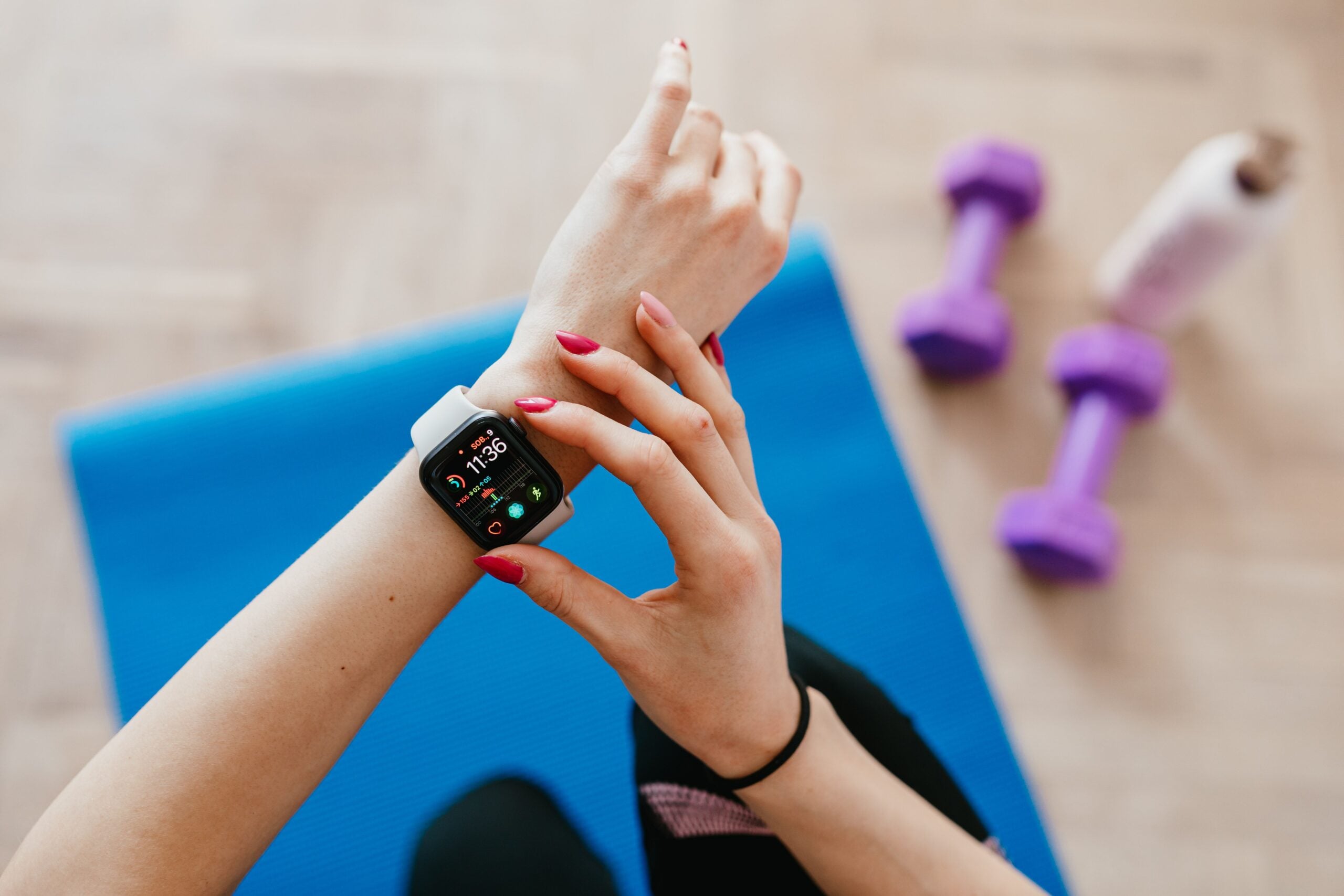
Smartwatches and fitness bands are usually the first tech investments people make, and for good reason. These devices are essentially mini-computers strapped to your wrist, constantly monitoring your vital signs. While counting your daily steps is a nice feature, the real magic lies in heart rate tracking.
Pay close attention to your resting heart rate. As your cardiovascular health improves from consistent cardio and strength training, your heart becomes more efficient. It doesn’t have to pump as often to circulate blood, which means your resting heart rate will gradually drop. Tracking this number over a few months gives you clear, undeniable proof that your heart is getting stronger, even if your physical appearance hasn’t changed much yet.
Many modern wearables also track heart rate variability. This metric measures the time intervals between your heartbeats. A higher variability usually indicates that your body is well-rested and ready for a tough workout. If your tracker shows a low variability, it’s a clear sign that you need a rest day. Listening to this data helps you avoid overtraining and prevents injuries that would otherwise keep you out of the gym for weeks.
Smart Scales for Body Composition
Throw away your old scale. If you’re going to weigh yourself, use a smart scale that measures your overall body composition. These devices send a very mild, undetectable electrical current through your feet to measure the resistance in your body. Because fat and muscle conduct electricity differently, the scale can estimate your body fat percentage, muscle mass, and water retention.
This technology completely changes how you view your progress. You might step on the scale after a month of hard work and see that your overall weight hasn’t dropped a single pound. In the past, you’d probably feel discouraged, but a smart scale might reveal that you’ve lost three pounds of fat and gained three pounds of muscle. Your weight stayed the same, but your body composition drastically improved. Having access to this breakdown keeps you motivated and proves that your efforts are actually paying off.
Nutrition and Macro Tracking Apps
You can’t out-train a bad diet. What you do in the kitchen is just as important as what you do during your workouts. Thankfully, you don’t need a notebook and a calculator to figure out your meals anymore. Nutrition apps allow you to log your food with a few simple taps on your screen.
The best way to use these apps is to focus on your macronutrients: protein, carbohydrates, and fats. If your goal is to build strength and recover faster, you need to ensure you’re eating enough protein. Most people overestimate how much protein they eat in a day until they start logging it. By scanning barcodes or searching the app’s database, you can see exactly what you’re putting into your body. When you sync your nutrition app with your smartwatch, you get a complete picture of your daily energy balance, showing you exactly how many calories you burned versus how many you consumed.
Sleep Tracking for Recovery
Fitness isn’t just about moving; it’s deeply reliant on resting. When you sleep, your body repairs torn muscle fibers and releases growth hormones. If your sleep quality is poor, your fitness results will suffer, no matter how hard you push yourself during the day.
Most modern wearables track your sleep cycles, breaking down how much time you spend in light, deep, and REM sleep. Reviewing this data helps you spot bad habits. You might notice that your deep sleep plummets on the nights you drink alcohol or scroll on your phone right before bed. By using tech to optimize your bedtime routine, you ensure your body gets the high-quality recovery it needs to tackle your next workout.
Using Video to Perfect Your Form
You don’t always need to buy a new gadget to improve your fitness. The smartphone sitting in your pocket is an incredible tool for form correction. When you’re trying to master a new lift, it’s hard to know what your body looks like in motion. You might think your back is perfectly straight during a deadlift, but you could actually be rounding your spine.
Prop your phone against a water bottle and record a quick video of your set. Watching the playback allows you to spot your mistakes instantly. You can see if you aren’t squatting low enough or if your elbows are flaring out during a bench press. Making these small adjustments prevents painful injuries and ensures you’re targeting the right muscle groups.
Use Tech to Your Advantage
Technology has completely removed the guesswork from getting in shape. By tracking your heart rate, monitoring your body composition, logging your meals, and keeping an eye on your sleep, you gain a profound understanding of how your body works. You don’t have to rely on a mirror or a basic scale to tell you if you’re making progress. Embrace the data, make smart adjustments, and watch your fitness levels soar.