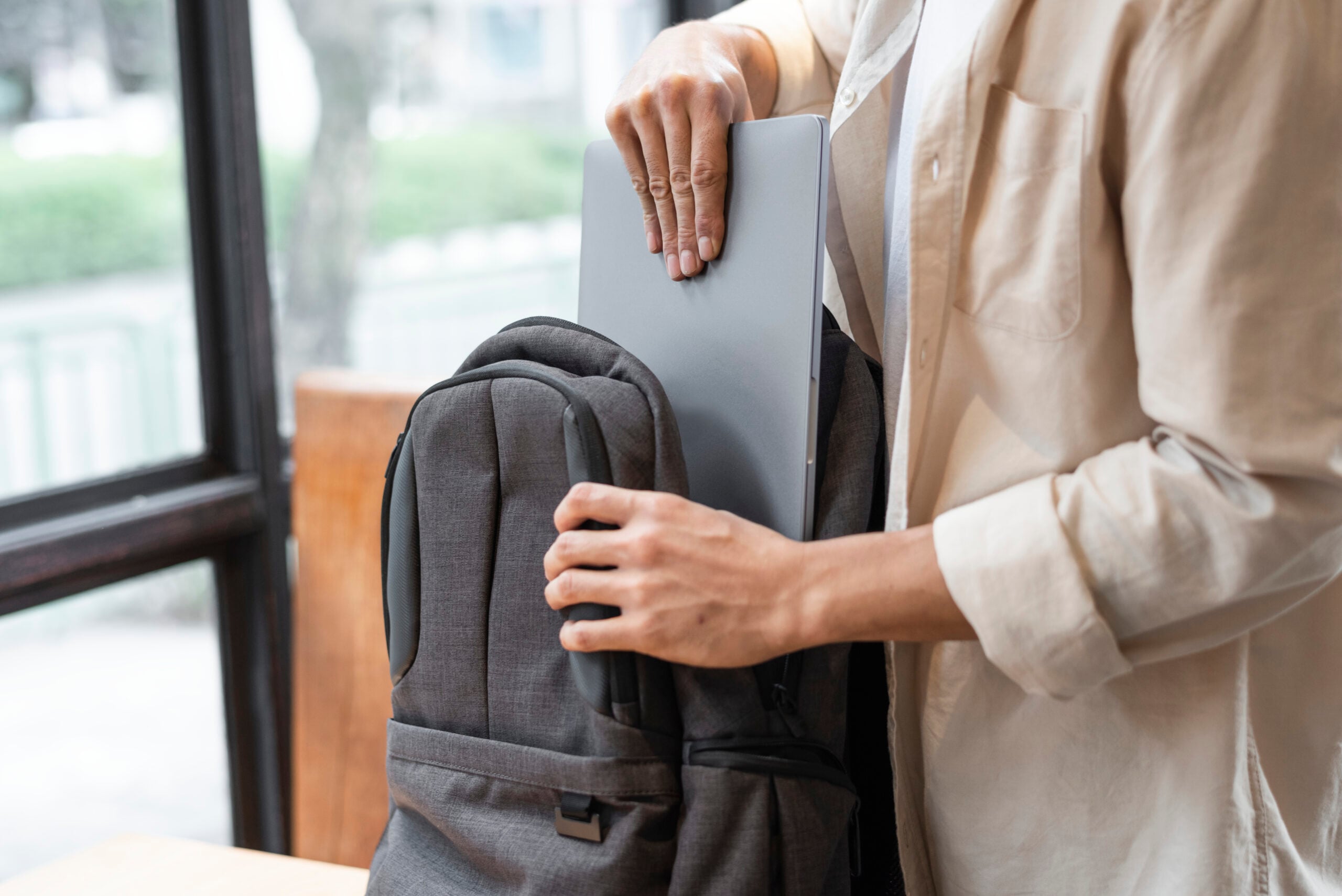

Most of us don’t think twice about tossing a laptop, charger, and a few notebooks into a backpack before heading out the door. We trust the bag will hold up to the daily grind of commuting and traveling. But when you really think about it, you’re trusting thousands of dollars of sensitive electronics to a few pieces of fabric held together by a string. Of course, it isn’t just any string.
The structural integrity of a reliable laptop case relies entirely on commercial sewing thread. Without this specialized component, the seams would quickly burst under the weight of your gear. Let’s look closer at how manufacturers use specialized stitching to create computer bags that can survive years of daily use while keeping your fragile screens perfectly safe.
Matching the Toughness of Modern Fabrics
Today’s computer bags are often constructed from incredibly tough materials like ballistic nylon, canvas, or Cordura. These fabrics are chosen because they resist tearing and puncturing. If a manufacturer uses a rugged exterior fabric but binds it together with weak thread, the seams will fail long before the fabric ever wears out. Laptops, tablets, and power bricks add a substantial amount of weight to a bag. When you lift a loaded backpack by a single strap, all that downward force concentrates directly on a few specific seams.
Standard thread meant for clothing simply can’t handle that kind of tension. To combat this, bag manufacturers turn to high-tensile synthetic threads, typically made from bonded nylon or polyester. These materials offer incredible tensile strength, meaning they won’t stretch out or break when subjected to constant stress. By matching the strength of the thread to the durability of the exterior fabric, designers ensure the bottom of your bag won’t give out while you’re running to catch a train.
Securing the Protective Padding
A computer bag is essentially a mobile suit of armor for your devices. The outer shell stops scratches, but the internal foam padding absorbs the shock if you accidentally drop the bag on a hard floor. Keeping that padding exactly where it needs to be is a complex manufacturing challenge. If the foam shifts around inside the lining, your laptop becomes vulnerable to impacts.
Strong stitching locks these padded panels firmly in place. The needle must punch through layers of tough exterior canvas, dense shock-absorbing foam, and internal nylon lining without skipping a single stitch. High-quality thread glides through these thick materials smoothly, creating tight, uniform seams that keep the protective barriers exactly where they belong. This precision ensures that the bumper protecting the corners of your laptop doesn’t slide out of place after a few months of use.
Reinforcing High-Stress Areas
Think about the parts of your bag you interact with the most. The grab handle on top, the shoulder straps, and the zipper tracks endure near-constant pulling and tugging. These areas are notorious failure points on cheaply made bags. Zippers, for example, require a very strong bond to the surrounding fabric. If the thread holding the zipper tape fails, the entire bag becomes useless.
Manufacturers use specific sewing techniques, like bartacking, to reinforce these vulnerable zones. A bartack is a series of tight, closely spaced stitches used to strengthen areas subject to extra wear. You’ll often see this distinctive zigzag pattern where the shoulder straps meet the main body of the backpack. Completing this technique requires a thread that won’t fray or snap as the machine rapidly sews back and forth over the same spot.
Resisting Environmental Wear and Tear
Your daily commute exposes your gear to the elements. From unexpected rainstorms to the baking sun on a long walk, your bag takes a beating from the weather. The materials holding it together need to be just as resilient as the waterproof exterior. Cotton thread absorbs moisture, which can eventually lead to rot or mildew if it stays damp for too long. That’s exactly why computer bag construction almost exclusively relies on synthetic threads.
Materials like polyester naturally repel water and resist damage from ultraviolet light. This means the stitches won’t weaken or degrade over time, even if you regularly get caught in the rain without an umbrella. Your bag stays structurally sound, season after season, protecting your laptop from moisture creeping in through degrading seams.
Crafting Organizational Compartments
A good laptop bag is a highly organized mobile office. You need dedicated pockets for your mouse, pens, hard drives, and charging cables. Creating this complex internal architecture requires precision sewing. The internal dividers are usually made of thinner, slippery materials that can be tricky to bind together. The thread must hold these delicate internal walls securely without tearing the fabric.
When you reach in to quickly grab your charger, the pocket’s seams need to withstand the tugging without ripping away from the main lining. Reliable stitching ensures that your carefully organized gear doesn’t end up in a tangled mess at the bottom of the bag.
The Foundation of Daily Protection
Next time you zip up your laptop and head out for the day, take a quick look at the seams holding your gear together. It’s easy to focus on the sleek design, the waterproof zippers, or the ergonomic padded straps, but none of those features matter if the stitching fails. The hidden strength of specialized manufacturing threads is what truly protects your expensive technology from the bumps and drops of daily life. By relying on durable, industrial-grade materials, manufacturers can craft reliable bags that offer long-lasting protection and total peace of mind for your most important devices.