
A small clothing line often reaches its launch date with a clear picture and an expensive sample problem. The first run of garments may fit differently than expected, a fabric may pill after a single wash, or the color may look far off in daylight. The launch schedule was built around those samples, so every issue feels like a threat to the whole season. Designers in this position are tempted to scrap the collection and start again. In many cases, a focused fix and a smaller launch can save the work already done, and the result is often stronger than the original plan.
The advice below is general guidance for independent designers who sell online and at small events. It is meant to help with planning and testing, and it does not replace advice from a qualified manufacturer or an experienced pattern maker. Every line is different, so the steps should be adapted to the garments, fabrics and customers involved.
Diagnose the Sample Problem
Begin by describing each failure in precise, measurable terms. Note whether the issue is fit, fabric, stitching, color or finishing, and record which pieces are affected. Compare the faulty samples with the original design sheets to find where the gap began. A clear list often shows that the problem sits in one or two steps rather than across the whole line. Readers may also want to visit pet-select-shop.com. Photographing each fault from the same angle helps the review stay consistent from one sample to the next. A short written note beside each photo explaining the fault keeps the record clear for the factory later.
Compare Fabric Options Calmly
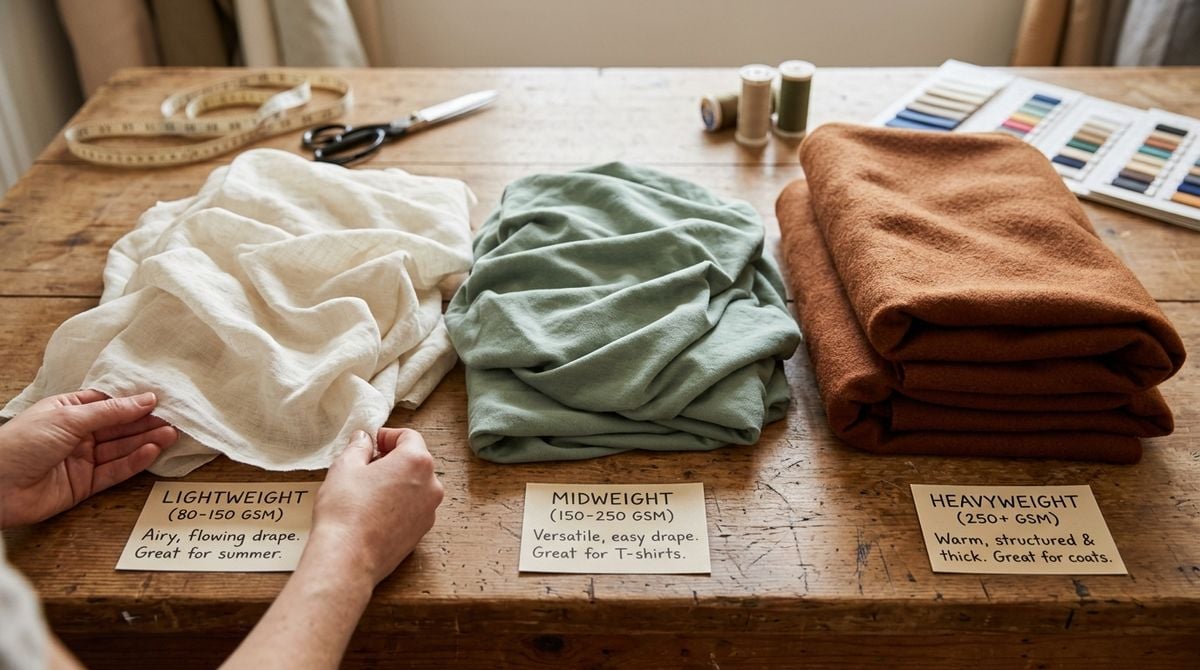
Once the problem is identified, look at the materials that could replace the faulty fabric. Request small swatches from more than one supplier and test each one under the same conditions. Wash the swatches, wear them for a short time and check how the color holds in natural and artificial light. Keep notes on how each option feels, moves and recovers after handling. Calm comparison is far more useful than switching fabric in a rush and hoping it works. You can also visit Geek Fishing for more reading. A side-by-side table of the results makes the final choice easier to defend. Including a note about the care instructions for each option helps the decision reflect how customers will actually wash the garment.
Trim the Launch Collection
A smaller collection is easier to produce well and easier to sell with confidence. Choose the designs that are already sampled successfully or that need only minor changes, and set aside the rest for a later season. Keep a short story for the collection that explains its focus, so the smaller size feels intentional rather than rushed. For a related read on this site, see Steadying a Smart Garden Routine After a Midseason. A tight launch can still make a strong impression, especially when each piece is clearly good. Fewer styles also mean the designer can give each one more attention in photographs and product descriptions. Holding back a few favorites for the next season also gives the brand something to announce later.
Make Sizing Information Clear
Fit problems often come from unclear sizing information, not only from the garment itself. Measure each finished piece flat and list the key dimensions in a simple chart. Describe the intended fit, such as relaxed or close, and include guidance on how the fabric stretches or shrinks. Customers who read clear measurements are less likely to return items, and that protects the small margins a new line depends on. Accurate sizing also helps the designer spot any remaining pattern issues before the full run is cut. Photographs of a garment worn by a model of known measurements can add useful context. Showing the piece in both a relaxed and a close position gives buyers a clearer sense of the fit.
Test Shipping and Returns
Before the relaunch, run a small test order through the full process. Package a sample, ship it to a friend in another area and check how the garment arrives. Review the returns policy in plain language and confirm the steps a customer would follow. Small problems in packaging or instructions are much easier to fix before the public sees them. A tested process reduces the chance of a second stall after launch. Writing down what went wrong during the test, however small, builds a checklist for every future order. That checklist becomes one of the most valuable documents a small label can keep.
A Smaller Launch Can Still Shine
A failed sample round is painful, but it rarely means the whole line is lost. Diagnosing the problem, comparing fabric carefully, trimming the collection, clarifying sizing and testing the order process give the designer a sound route forward. A smaller launch with well-made pieces often earns more trust than a large one that disappoints. The work is still there, and it is ready to be presented in a stronger form. Each lesson from the sampling round will make the next collection faster to plan and cheaper to produce.