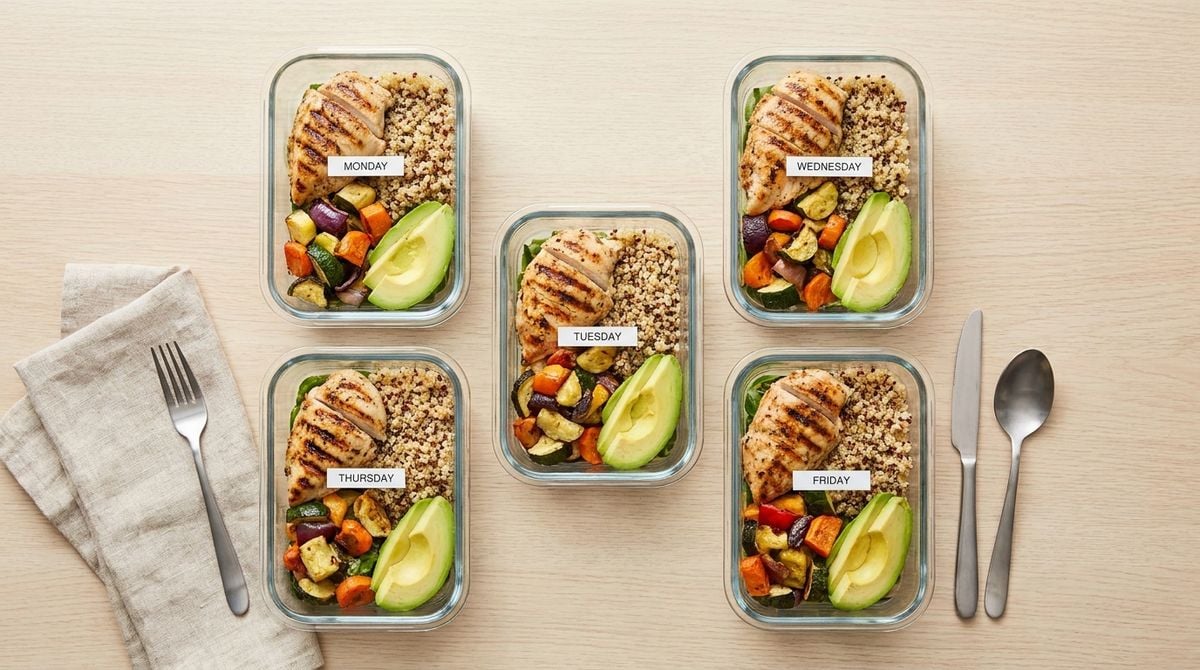

Meal preparation can save time and reduce waste, yet many people never get started because planning feels complicated. Simple digital tools can make the process less intimidating. This article offers general cooking and organization guidance. It is not nutrition or medical advice, so anyone with dietary restrictions or health conditions should consult a qualified professional. The plan below uses a few basic apps or spreadsheets to organize recipes, lists and storage, and it keeps the workload modest enough to sustain. Meal prep should feel enjoyable rather than burdensome, so keep the process flexible and adjust it whenever your schedule changes.
Pick a Recipe Organizer
Choose one place to store your recipes, whether that is a notes app, a shared document or a simple folder of bookmarks. Save only dishes you truly want to cook, so the collection stays useful. Tag each recipe with the meal type, the cooking time and the main ingredients. Readers may also want to visit Bebegogo.com. A small, curated collection is easier to use than a huge pile of unread links. Choose a method you can open with one hand while cooking, because quick access keeps the habit alive on busy evenings.
Build a Shopping List Routine
Create a shopping list template with sections for produce, proteins, grains, dairy and pantry staples. Before each shop, check your pantry and fridge, then add only what you need for the planned meals. Store the template in your phone so you can update it while you walk through the store. You can also visit Newsxoomer.com for more reading. A consistent routine cuts both stress and unnecessary spending. Stock lists work best when they follow the order of your store, which saves time and avoids backtracking through the aisles.
Batch Cook Two Staples
Choose two staples that store well, such as a pot of grains and a tray of roasted vegetables. Cook them in larger quantities on one afternoon, then divide them into portions for the week. Rotate flavors with simple sauces, herbs or spices so the meals do not feel identical. Keep the cooking steps short so the session stays enjoyable. For a related read on this site, see A Developer’s Week of Organizing Personal Money. Two reliable staples can anchor many different dinners and lunches. Batch cooking also reduces the number of dishes you wash during the week, which makes weeknight cooking less daunting.
Label Containers Clearly
Clear labels prevent confusion about what is inside and when it was cooked. Use masking tape or a simple printed label with the dish name and the date you prepared it. Choose containers that are safe for both the fridge and the microwave, and check the manufacturer guidance. Store sauces separately to keep textures fresh. Clear labeling reduces the chance of forgotten leftovers in the back of the fridge. Clear labels also help housemates, who can grab a meal without asking what it is or whether it is still fresh.
Set Reminders for Freezer Use
Freezers are excellent for extending the life of prepared meals, but only if you remember what is inside. Create a freezer inventory in your notes app and update it every time you add or remove a portion. Set a reminder to review the list each month and use older items first. Keep a note of general storage times for the foods you freeze most often. Organization keeps the freezer useful rather than mysterious. A freezer list prevents the common surprise of finding a forgotten container months after it was first packed.
Plan Leftovers Into Lunches
Leftovers can become a planned part of the week instead of an afterthought. When you cook dinner, decide which portions will become lunch the next day. Pack them in advance so mornings feel calmer and less rushed. Rotate a few simple add-ons, such as fresh herbs, a handful of nuts or a drizzle of dressing, to refresh the same base. Thoughtful planning turns one cooking session into several satisfying meals. Lunches taste better when the components stay separate until serving time, so pack crunchy items apart from wet sauces.
Review Waste Weekly
A short weekly review shows where food is being wasted and why. Look at what went into the bin and note the reasons, such as overbuying, forgetting items or cooking too much. Adjust the next shopping list and portion sizes to match what you actually eat. Share the results with anyone else who lives in your home. Small adjustments often save a surprising amount of money and effort. Noticing patterns in what you throw away is a practical way to adjust portions without feeling restricted.
Keeping the Routine Practical
Meal prep works best when the tools stay simple and the routine feels realistic. Review your recipe collection, shopping template, freezer inventory and waste notes at the end of the week. Remove anything that felt like extra work without adding value. Keep your favorite staples in regular rotation so cooking feels familiar. A practical system is what makes healthy home cooking sustainable over the long term. Sustainable routines grow from small, sensible decisions, and every simple adjustment brings you closer to a calm kitchen.