
A busy parent who grows vegetables or flowers often has more ideas than time. Seeds get sown, beds get watered and harvests arrive, yet the details fade quickly. A short digital log, updated in small bursts, keeps the garden’s story intact without taking over the evening. The steady habit of a few entries each week is what makes the record useful.
The habits below rely on simple tools and short entries. Each one fits into a few minutes, and together they create a record that helps the next season go more smoothly for the whole family. A little shared effort goes a long way when everyone has a stake in the harvest.
Log Each Watering in Under a Minute
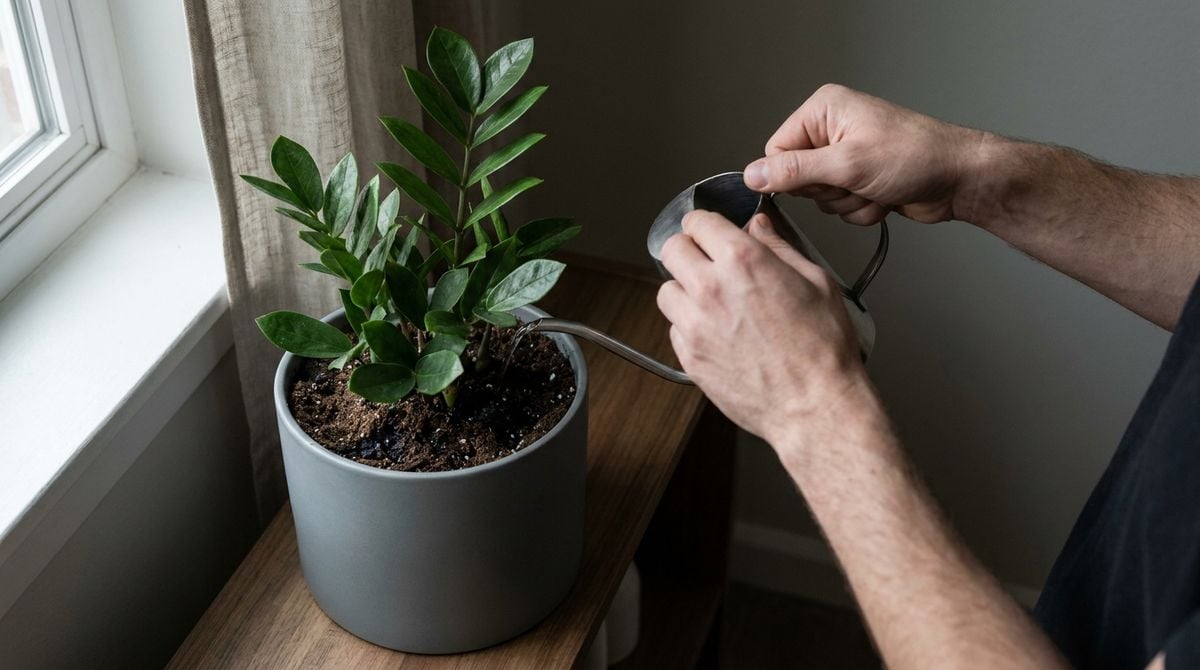
Create a simple entry for each watering session, noting the date, the bed and whether the soil felt dry or damp. A quick line takes less than a minute and creates a clear record. Over several weeks the log shows which beds need extra attention during heat. A bed that dries out early may need a deeper layer of mulch rather than more water.
Readers may also want to visit creativediary.net. Quick access turns the habit into part of the watering routine rather than an extra chore. A short reminder on the same screen can also prompt the entry before the hose is put away.
Add a Dated Photo Once a Week
Take one photo of each bed every week and save it with the date in the file name. Photos capture changes that are easy to forget, such as slow growth or a leaf that started to yellow. Comparing images side by side shows progress more clearly than memory can. Take each photo from the same spot, so the frames line up when you compare them.
You can also visit Pudding Media for more reading. A tidy folder makes it easy to share pictures with children who want to see how their plants grew. Older photos can also show the first sprouts, which children often find the most exciting.
Write Short Notes About Each Plant
Keep a one-line note for every plant, covering the planting date, the spot, any pest sighting and the harvest so far. Short entries are easier to keep up than long essays. They also give you clear facts to check when you plan next year’s layout. Notes that mention the weather that week are especially useful when a crop performs unexpectedly.
For a related read on this site, see Weekly Backup Checks for Pet Care Service Files. A consistent format turns the log into a reliable reference.
Review the Log Every Sunday
Spend five minutes each Sunday reading the past week’s entries. Look for bed areas that dried out quickly, plants that struggled and anything that needs action before the next week begins. Keep the review short enough that it never feels like homework for the children. A short weekly review keeps small issues from growing into larger problems.
Choose one action from the review and add it to the family calendar. A single clear task is more likely to get done than a long list. Children can help choose the action, which often makes it easier to follow through.
Label Each Bed With a Code
Give every bed a short code, such as a letter and a number, and use the same code in the log and on a small marker in the soil. Codes keep the records organized even when plants change from season to season. They also let the children learn the layout by name. A simple map pinned inside the shed door helps visitors find each code as well.
Keep the code list at the top of the log so anyone can find the right bed quickly. A clear labeling system prevents confusion when several people water or harvest. Update the codes when a bed is moved, so the old label does not mislead anyone.
Summarize Each Season in One Page
At the end of each season, write a single page covering what grew well, what failed, which varieties performed best and what you plan to change. Attach a few photos from the folder. Note any surprises, good or bad, since they are easy to forget by the next spring. The summary becomes the starting point for the next planting plan.
Save the summary with the season name in the file title. After a few years, the pages show how the garden has evolved, and they make planning new beds much easier. Sharing a copy with the family each year keeps everyone involved in the next plan.
Small Logs Build a Lasting Garden Record
Five minute habits can turn an ordinary family garden into a well documented space. Quick watering entries, weekly photos, plant notes, a Sunday review, clear bed codes and a seasonal summary create a record that is easy to maintain. Begin with the watering log, since it takes the least time and gives the most useful information from the start.