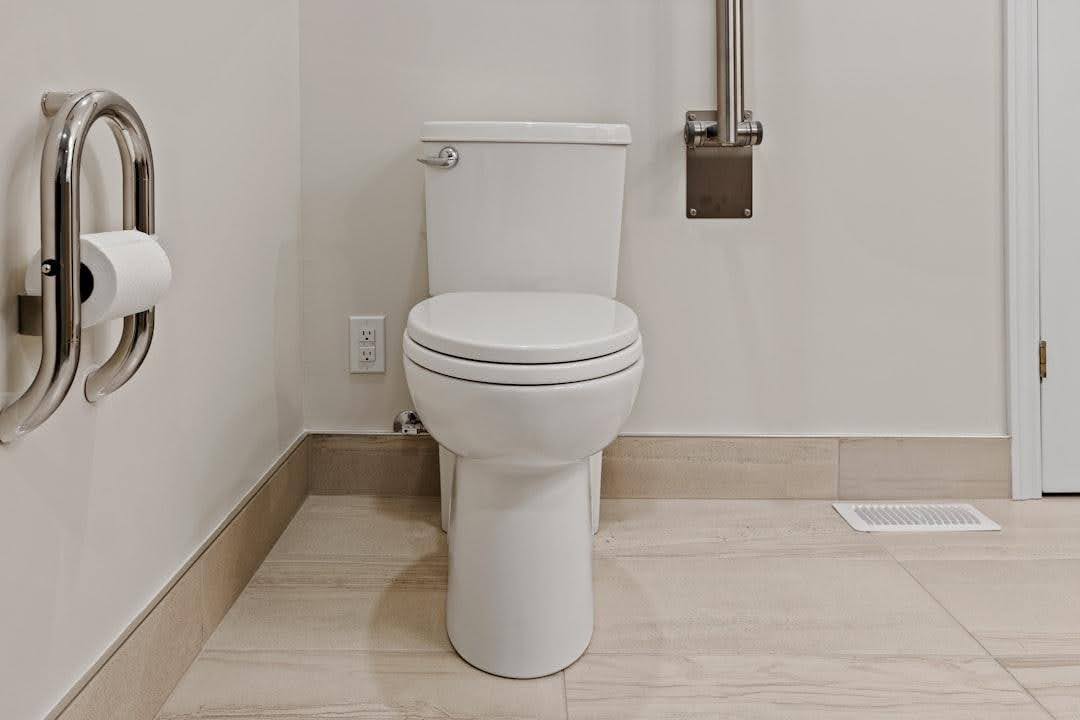

Restroom renovation schedules are typically built around demolition and installation windows. The variable that most often breaks them is neither.
Product lead times, particularly for partitions and coordinated accessory packages, routinely exceed what project schedules assume. The gap between assumed and actual is where renovations stall.
Why Are Lead Times Longer Than Expected?
Commercial partitions and washroom accessories are frequently manufactured to order rather than pulled from stock. Configuration, finish, and dimension are specified per project.
That build-to-order model produces better-fitting products and longer delivery windows. Both follow from the same manufacturing approach.
What Actually Drives the Timeline?
Lead time accumulates across several stages rather than sitting in manufacturing alone. Submittal review, approval, fabrication, and shipping each consume calendar time.
Project teams coordinating with a commercial washroom and partition manufacturer generally find that submittal and approval cycles account for a substantial portion of total lead time, which is the segment most compressible through early engagement. Manufacturing duration is considerably harder to shorten.
Teams focused only on manufacturing time misjudge the total. The administrative segment is frequently the larger one.
What Happens When Delivery Slips?
A restroom renovation with demolition complete and partitions undelivered leaves a facility with an out-of-service restroom and no path to completion. Other trades cannot proceed around missing partitions.
The disruption compounds daily. In occupied buildings, an extended closure affects operations well beyond the project budget.
How Should Sequencing Be Planned?
Ordering long-lead items before demolition begins is the single most effective schedule protection. Confirmed delivery dates should precede any work that takes a restroom offline.
This inverts the intuitive sequence, where demolition precedes procurement. The inversion is what prevents the gap.
What Should Be Ordered Earliest?
Certain items consistently carry the longest lead times in restroom projects:
- Toilet partitions, particularly in custom finishes or configurations
- Coordinated accessory packages from a single manufacturer
- Anything requiring custom sizing to existing conditions
- Products in finishes outside a manufacturer’s standard range
- Items requiring extended submittal and approval review
Ordering these first, even before other design decisions finalize, protects the schedule. Later items generally have more flexibility.
How Do Custom Finishes Affect Timing?
Custom colors and finishes typically add weeks relative to standard offerings. The extension is frequently underestimated during design.
Where schedule is constrained, confirming standard finish availability early gives designers a realistic set of options. Discovering the constraint after specification wastes design effort.
What Does Field Measurement Add?
Renovation projects often require field measurement before fabrication, since existing conditions rarely match drawings exactly. That measurement cannot occur until demolition exposes conditions.
This creates genuine tension with early ordering. Projects resolve it by ordering standard components early and holding custom-fitted elements for post-demolition measurement.
How Should Occupied Buildings Be Phased?
Phasing restroom work so that alternate facilities remain available is standard in occupied buildings. That phasing depends on predictable delivery.
A delayed shipment collapses the phasing plan, since the closed restroom cannot reopen and the next phase cannot begin. Schedule reliability is what makes phasing viable.
What Should Be Confirmed Before Demolition?
Before taking a restroom offline, teams should confirm that all long-lead products have shipped or have firm delivery dates. Verbal estimates are insufficient for this decision.
A written confirmation of ship date is the appropriate threshold. Beginning demolition against an estimate is where most schedule failures originate.
How Does Single-Sourcing Affect Lead Time?
Ordering partitions and accessories from one manufacturer generally simplifies coordination and allows delivery to be scheduled together. Multiple suppliers produce multiple delivery dates to reconcile.
That consolidation reduces the number of independent failure points. It does not shorten manufacturing time but does reduce coordination risk.
How Should Submittals Be Managed?
Submittal review and approval frequently consume more calendar time than teams anticipate, particularly when multiple parties must sign off. Establishing a review deadline at project start compresses this stage meaningfully.
Incomplete submittals are a common source of delay, since they generate revision cycles. Manufacturers experienced with commercial projects usually provide complete packages when the specification is clear.
What Contingency Is Reasonable?
Building schedule contingency around long-lead items rather than around installation duration reflects where the actual risk sits. Installation is generally predictable and delivery is not.
A few weeks of float on delivery protects the entire downstream schedule. The same float applied to installation protects considerably less.
What About Partial Shipments?
Large orders sometimes ship in stages, which can allow installation to begin before the full order arrives. Confirming whether partial shipment is possible gives project teams additional scheduling flexibility.
Coordinating which components arrive first matters when phasing is planned. Partitions generally need to precede accessories in the installation sequence.
How Do Supply Conditions Affect Estimates?
Material availability and manufacturing capacity shift over time, which means lead time estimates from a prior project may no longer hold. Confirming current timelines at the start of each project avoids planning against stale assumptions.
Manufacturers generally provide current estimates on request. Treating a figure from two years ago as still accurate is a common source of schedule error.
Lead time is the schedule variable most often underestimated in restroom renovation, and it accumulates across submittal, approval, fabrication, and shipping rather than manufacturing alone.
For project teams, the practical step is to order long-lead items before demolition and to require written ship confirmation before taking a restroom offline.