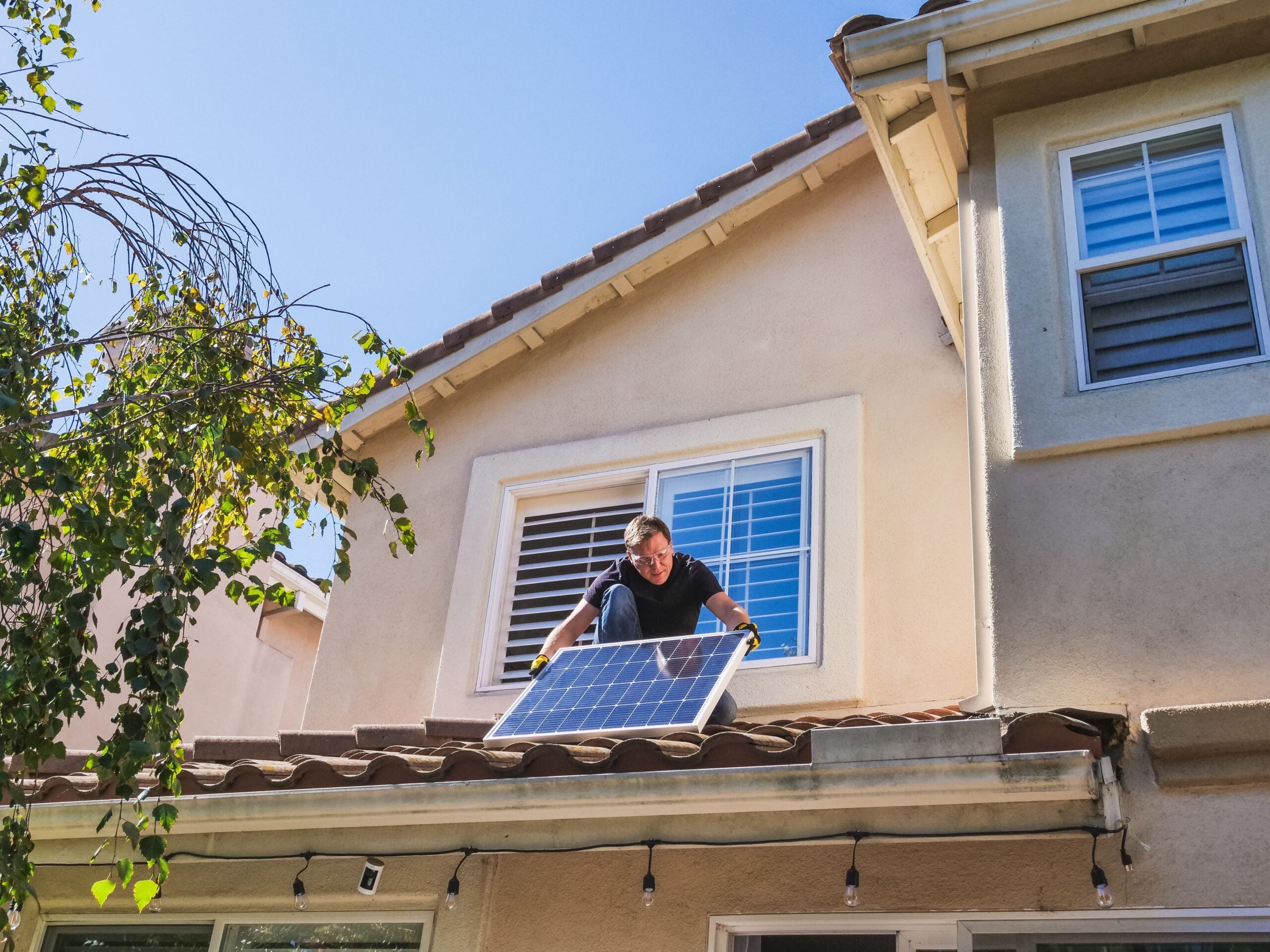

As neighborhood rooftops get sleeker, more homeowners are seriously considering the switch to renewable energy. It looks simple from the street, but capturing sunlight and turning it into electricity to run your refrigerator and air conditioner requires a specific set of equipment working together in perfect harmony. If you’re looking into installing solar panels to lower your monthly utility bills, it helps to understand exactly what goes onto your roof and the side of your house.
It isn’t just about slapping some dark glass on the shingles; it’s a complete, interconnected electrical ecosystem. From the panels themselves to the hidden hardware that keeps everything running safely, each component plays a vital role. Let’s break down the essential technology required to get a residential renewable setup up and running efficiently.
The Photovoltaic Array
The most recognizable part of any home energy system is the array itself. The panels sitting on your roof are made of photovoltaic cells, which are typically constructed from silicon. When sunlight hits these silicon cells, the light energy knocks electrons loose. These loose electrons are then corralled into a specific path, creating a flow of direct current, commonly known as DC electricity.
While the concept sounds futuristic, the technology is highly reliable and straightforward. Modern panels are built to withstand severe weather, from pounding hail to high winds, protecting those delicate silicon cells inside. However, the DC electricity produced on your roof isn’t quite ready to power your home just yet. Your television, lights, and kitchen appliances all run on a different type of current, which brings us to the next crucial piece of technology.
The Inverter System
If the panels are the heart of your system, the inverter is the brain. Your home runs on alternating current, or AC electricity. If you tried to plug a lamp directly into a DC power source, it wouldn’t work. The inverter’s primary job is to take the DC power generated on the roof and flip it into usable AC power that your household outlets can distribute.
When configuring a home setup, you generally have a few different inverter technologies to choose from:
- String Inverters: This is the traditional approach. All the panels are strung together and feed their DC power into a single, central inverter mounted on the side of your house or in your garage. It’s a cost-effective solution, but if one panel is shaded by a tree, the output of the entire string drops.
- Microinverters: Instead of one large box on the side of the house, miniature inverters are attached to the back of every single panel on the roof. They convert the power from DC to AC right there on the spot. This is incredibly helpful if your roof has multiple angles or experiences partial shading throughout the day, as a shaded panel won’t drag down the performance of the rest of the array.
- Power Optimizers: This serves as a middle ground. Optimizers are attached to each panel to condition the DC power and mitigate shading issues, but they still send the power to a central string inverter for the final AC conversion.
Mounting and Racking Hardware
It might not be as exciting as silicon cells and microinverters, but the racking equipment is a foundational element of your installation. You can’t just nail equipment directly into your roof structure. You need a specialized mounting system designed to securely hold the array in place without causing structural damage or roof leaks.
Installers use carefully engineered metal rails and flashing systems to attach the array to your roof’s rafters. This hardware must be incredibly durable to support the equipment’s weight and keep it anchored safely during severe storms. A high-quality mounting system also creates a small gap between the roof and the array, which allows air to circulate. This cooling effect is important because silicon cells actually operate more efficiently when they don’t get too hot.
The Electrical Panel and Net Meter
Once the sunlight is converted into AC power, it travels down the side of your house and into your home’s main electrical panel, or breaker box. From there, the electricity is distributed to whatever appliances are currently running. If you’re washing clothes and running the dishwasher on a sunny afternoon, the generated power goes straight to those appliances.
But what happens when you generate more power than you’re currently using? That’s where a special utility meter comes in. When you switch to renewable energy, your local utility company will replace your standard meter with a bi-directional meter. This device tracks the electricity you pull from the grid at night, but it also tracks the excess power your system pushes back into the grid during the day. In many areas, this excess power earns you credits on your utility bill, a process known as net metering.
Digital Monitoring Software
Modern systems come with advanced tracking capabilities. Your inverter system will connect to your home’s Wi-Fi network, sending continuous performance data to an app on your smartphone or computer. This digital monitoring technology allows you to see exactly how much power you’re generating in real-time. It’s also a vital diagnostic tool. If a squirrel chews a wire or a specific component underperforms, the monitoring software will alert both you and your installer immediately, ensuring the issue gets fixed without months of lost energy production.
Optional Energy Storage
While not strictly required to operate a grid-tied system, battery storage is becoming an increasingly popular technological add-on. Solar batteries, usually utilizing advanced lithium-ion chemistry, allow you to save the excess energy you produce during the afternoon.
Instead of sending that surplus power back to the municipal grid, it fills up your battery bank. Then, when the sun goes down or if a neighborhood blackout occurs, your home automatically pulls from your stored reserves. It adds another layer of security and independence to your energy strategy.
Understanding the technology behind these systems takes the mystery out of the installation process. By combining photovoltaic cells, smart inverters, secure mounting, and digital monitoring, you create a seamless power plant right on your own property.